


















Roof risk has quietly become one of the most significant drivers of residential property losses, often outside the spotlight of major catastrophe events. As insurers look for ways to improve underwriting precision and manage portfolio exposure, roof condition, age, and construction are emerging as critical variables that can no longer be treated as secondary attributes.
Verisk’s 2025 Roof Report sheds new light on how roof characteristics influence claims frequency, severity, and overall loss costs, offering insurers actionable insights backed by aerial imagery and property-level analytics.
The Growing Impact of Roof-Related Losses
Even in years with relatively low hurricane activity, roof claims continue to generate substantial loss costs across the industry. According to Verisk’s latest analysis, roof claims drove approximately $23 billion in replacement cost value in 2025, underscoring the year-round exposure carriers face from aging and deteriorating roofs.
In fact, roofing-related line items now represent nearly 30 percent of all residential property claim line items, making roof performance one of the most influential—and controllable, drivers of property loss.
What Aerial Imagery Reveals About Roof Condition
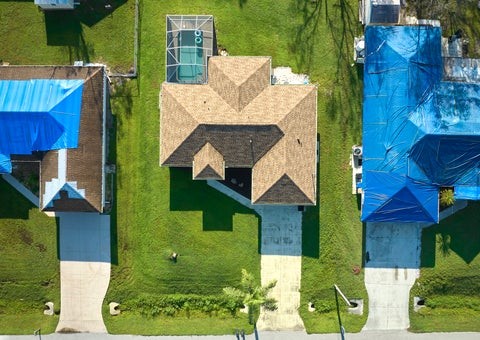
One of the most striking findings in the 2025 Roof Report comes from Verisk’s analysis of aerial imagery across the U.S. housing stock. The data shows that 38 percent of homes have roofs in moderate to poor condition, and those properties experience approximately 60 percent higher loss costs compared to homes with roofs in good condition.
This insight highlights a critical challenge for insurers: roof condition is one of the strongest predictors of loss, yet it has traditionally been difficult to assess consistently at scale.
By leveraging aerial imagery and advanced analytics, carriers can now gain a clearer, more objective view of roof condition across their portfolios, without relying solely on self-reported information or costly physical inspections.
Turning Roof Data Into Underwriting Advantage
Beyond headline statistics, the Roof Report explores how roof type, age, condition, and performance interact to influence risk outcomes. These insights can help insurers:
- Improve new business and renewal underwriting decisions
- Identify high-risk properties earlier in the policy lifecycle
- Prioritize inspections and mitigation efforts more effectively
- Strengthen portfolio management strategies in both CAT and non-CAT regions
With more granular roof intelligence, underwriters can move from reactive claims management to proactive risk selection—aligning pricing and coverage decisions more closely with actual property conditions.
Supporting More Confident Decisions Across the Policy Lifecycle
As roof losses continue to account for a growing share of residential property claims, insurers are looking for reliable, scalable ways to assess and monitor roof risk. The Verisk Roof Report provides a data-backed foundation for understanding where that risk exists, and how it evolves over time.
By incorporating these insights into underwriting and portfolio strategies, carriers can better manage exposure, improve loss outcomes, and support more confident decision-making across the entire policy lifecycle.
To explore the full findings, download the Verisk 2025 Roof Report.
 Levers and Guardrails: How Growth Is Being Built at Hippo
  Weather Damage Turning Into Long-term Debt for Homeowners: Report
  Industry Reacts to Senators’ Letter for Claims Data and Recent Reports
  Why Your Boss Matters More Than Remote or Hybrid Work When It Comes to Burnout and Job Satisfaction