














A decade ago, when an underwriter entered an incorrect number or misread a file, the damage was contained to one policy. One person, one mistake, one fix.
Executive Summary
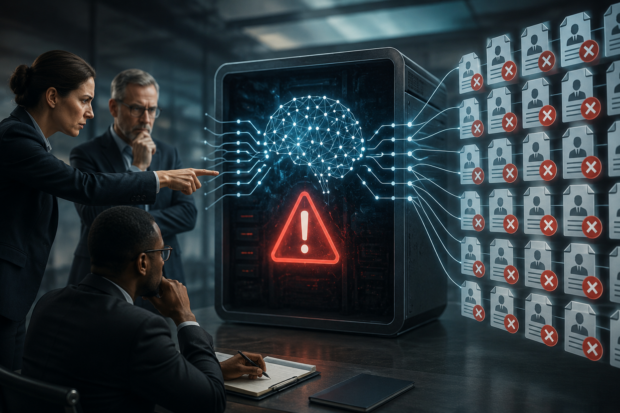
Human underwriters are still needed as insurers introduce more AI agents to their underwriting processes, but part of the human role will include acting as a governance steward. Here, Tony Haverty and Nick Lamparelli explain what the new role entails, outlining the responsibilities that humans are taking on. They also describe the valuable role underwriters play in staying on top of changing exposures not captured in historical data that models will miss.Today, a single flaw in a model’s logic or a bad software update can repeat the same mistake across thousands of policies before anyone notices. The error moved from the person to the architecture. And when the failure lives in the architecture, it happens everywhere at once.
In our work helping carriers and MGAs achieve operational efficiencies, a common question we hear is, “Will AI replace my underwriters?” A more useful question is, “Who is governing the systems my underwriters now depend on?”
Architectural Risk Is the New Exposure