












A new report published by Senator Edward J. Markey (D-Mass.), a member of the Commerce, Science, and Transportation Committee, highlights troubling information when it comes to autonomous vehicles on the road today.
The report, “Remote Backseat Operators: Revealing the Autonomous Vehicle Industry’s Reliance on Human Remote Assistance Operators,” reveals a stunning lack of transparency from autonomous vehicle (AV) companies around their use of Remote Assistance Operators (RAOs), the senator said.
Although the exact RAO role and performance vary by manufacturer, RAOs intervene when an AV confronts an uncertain or dangerous driving condition or situation.
The investigation, launched in February, exposed a patchwork of safety practices across the industry, with significant variations in operator qualifications, response times, and overseas staffing.
In letters to seven major autonomous vehicle companies – Aurora, May Mobility, Motional, Nuro, Tesla, Waymo, and Zoox – he requested detailed information about their remote assistance operations. The letters included 14 questions about each company’s remote assistance operation, including the frequency of human intervention, location of their operations, RAO qualifications, latency of connection between vehicles and RAOs, and cybersecurity standards.
The report is based on the companies’ answers to his questions and is the first detailed examination of the AV industry’s use of RAOs.
Every AV company refused to disclose how frequently their RAOs intervene to help their self-driving cars.
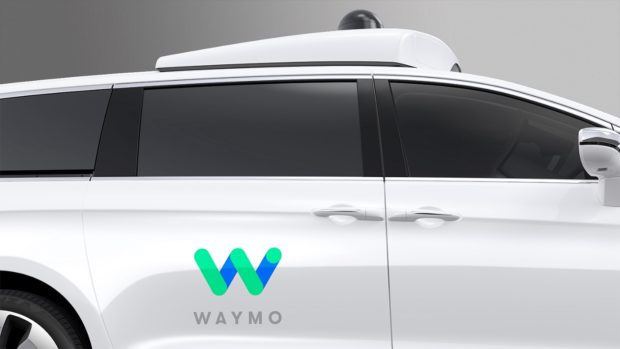
At a Senate Commerce Committee hearing, Chief Safety Officer Mauricio Peña said that Waymo relies on remote assistance operators located overseas. Waymo is the only AV company that uses overseas RAOs, in which a substantial share of its RAO workforce does not hold a U.S. driver’s license.
Latency between AVs and RAOs varied across companies, indicating that companies are making their own determinations about the latency threshold that constitutes a safety risk.
Although every company claimed that its autonomous driving systems would ignore dangerous advice from RAOs, a recent investigation by the National Transportation Safety Board (NTSB) into an incident involving a Waymo AV casts doubt on this claim.
“Autonomous vehicle companies make big promises about the safety of their self-driving cars, but it turns out that human workers still play a critical role with this technology,” said Senator Markey. “My investigation revealed a wide range of concerning practices, from employees assisting vehicles from overseas to wide variations in communication lag times between vehicles and human operators. These operations demand urgent federal regulation. I’m calling on the National Highway Traffic Safety Administration to investigate, and I am working on legislation to impose strict guardrails on AV companies’ use of remote operators.”
Senator Markey sent a letter to Jonathan Morrison, administrator of the National Highway Traffic Safety Administration, urging the NHTSA to investigate the AV industry’s RAO practices.
He also announced that he is working on legislation to impose strong, enforceable regulations around the AV industry’s use of RAOs.
 Weather Damage Turning Into Long-term Debt for Homeowners: Report
  Amazon Cargo Plane Pilots Weren’t Warned About Wind Before Miami Crash: NTSB
  Levers and Guardrails: How Growth Is Being Built at Hippo
  Why Your Boss Matters More Than Remote or Hybrid Work When It Comes to Burnout and Job Satisfaction