


















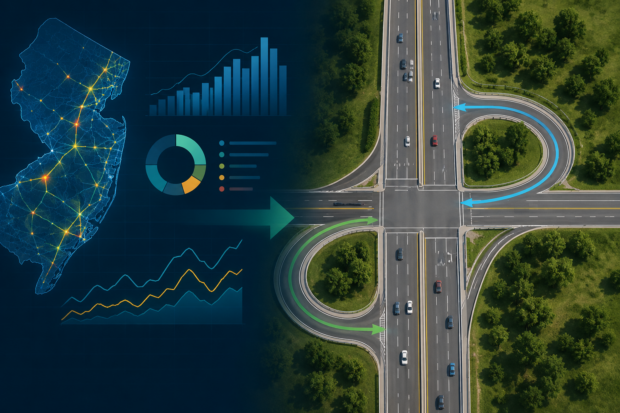
The world is evolving at a pace that outstrips traditional casualty models. Our understanding of risk, and the insurance data we rely on to quantify it, is increasingly misaligned with how people live, work and transact today. This disconnect is creating challenges for insurers as they navigate a rapidly shifting landscape of liability and exposure.
Executive Summary
Rapid legal rulings and real-world incidents are redefining casualty risk, as algorithms and AI-driven systems introduce new and fast‑escalating liability exposures that traditional insurance models struggle to capture. Here, Zywave's Jeff Cohen paints that picture and prescribes "data-driven precision" and AI-guided customer inquiries to help carriers and brokers keep pace with changing human behavior, digital infrastructure growth, and other emerging liability exposures to inform underwriting decisions.In March, two separate juries awarded multimillion-dollar judgments in liability cases involving social media platforms. These rulings highlighted growing consumer support for arguments that algorithms can be addictive and that companies should implement mechanisms to prevent harm, such as bullying and predation. A New Mexico jury found Meta liable for failing to protect children from exploitation on its platforms and ordered the company to pay $375 million in damages for consumer-protection violations. The following day, a California jury found Meta and YouTube liable for platform features that caused children to become addicted, resulting in mental health distress. The jury awarded $3 million in compensatory damages—with Meta bearing 70% liability and Google 30%—and then added another $3 million in punitive damages.