















Regulation & Compliance
U.S., EU Talks on Covered Agreement Continuing
Trade representatives for the United States and the European Union, who met May 24 and 25 to negotiate a bilateral covered agreement on regulations for insurers and reinsurers, on Friday issued a ...
U.S. Federal Reserve Meeting on Insurer Capital Rules Set for June 3
The U.S. Federal Reserve will hold an open meeting this coming Friday on proposals, in the works for more than five years, for capital requirements and other rules for insurance companies. The ...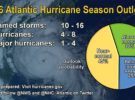
Will Hurricanes Drive Property Insurance Rate Hikes? Experts Forecasting Changes
With two of three groups of expert hurricane researchers split on whether the 2016 Atlantic hurricane season will be above average or normal, a tie-breaking vote could come on Tuesday. But even a ...
Hurricane Making Landfall Would be a First for Many Florida Insurers
Should a hurricane make landfall in Florida this storm season, many of the homeowner insurance players now doing business there are untested as to how they'll perform when catastrophe hits. Fitch ...
In China, Mutual Insurance Companies Are Slow to Start
China's attempt to spur the launch of mutual insurance companies has gotten off to a very slow start. Approximately 18 months after issuing regulations intended to spur growth of mutual insurers, ...
Earthquake Insurance Rate Spikes Worry Oklahoma Regulators
Oklahoma regulators grappling with a massive increase in small earthquakes in the state linked to growing oil and gas production said on Tuesday they were concerned with spiking rates for earthquake ...
London Market Risks Casualty Reserve Shortfall: PwC
There is a real risk that casualty reserves for business written in 2015 will run off at a loss in the future, according to PwC's London insurance/reinsurance market review of reserve adequacy. PwC ...
A.M. Best: ‘Benefits to Be Gained’ From Flood Insurance Market Expansion
The U.S. Senate is gearing up to consider a bill that would revamp and expand the U.S. flood insurance market, and its passage appears likely. A.M. Best said this will be a very good development for ...