

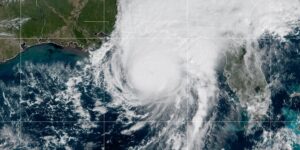
















The National Flood Insurance Program, struggling with the costs of this year’s record hurricane season, will run out of money as early as Oct. 23 unless Congress takes action.
The Federal Emergency Management Agency, which runs the taxpayer-subsidized flood insurance program, “estimates potentially exhausting available NFIP funds the week of October 23,” the agency said in a statement. If that happens, the program will be unable to make claims payments to people whose homes have been damaged by Hurricanes Harvey, Irma, Maria or Nate, or other disasters this year.
The federal government can’t borrow more money from the U.S. Treasury to pay those claims because Congress has limited the flood program’s borrowing authority to $30.4 billion, which it has now reached. In response, the Trump administration asked Congress last week to cancel some of the program’s debt, which would allow it to borrow more money to pay claims.
The House is scheduled to vote Thursday on a bill granting the administration’s request to provide $16 billion in debt relief to the program. The Senate, which is in recess this week, could vote on the measure when it returns next week.
 Viewpoint: The One Thing Holding Back Insurers’ AI Efforts
  Push to End U.S. Changing Clocks Hits Dead End
  Federal Bill Seeks to Reduce Work Week to 32 Hours
  Viewpoint: Insurers Are Automating the Front Office While Ignoring the Function That Determines Trust