















Excellence in homeowners insurance requires sophisticated risk management, but today’s industry environment is testing the limits of traditional underwriting approaches.
Executive Summary
"Underwriting today is about much more than determining whether to accept a risk and at what price. It involves understanding the full exposure of a property and often creating a customized policy structure that accurately reflects the risk," writes Chris DiMartino, Chief Underwriting Officer at Orion180.Here, he discusses how the changing nature of risk is forcing a new approach to underwriting—one that requires underwriters to obtain a more holistic, end-to-end view of the insurance life cycle and to discover more effective uses of existing data.
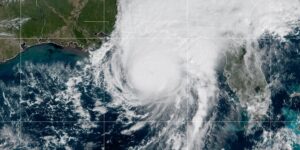
Weather events are occurring more frequently, losses are becoming more severe, and risks are increasingly hyper-local rather than evenly distributed. Over the past decade, insured catastrophe losses in the United States have increased significantly, and the cost of repairing and rebuilding damaged homes continues to rise.
Even routine homeowners’ incidents are becoming more expensive to resolve. What might once have been a small, manageable plumbing issue can now become a costly claim when older systems fail and repairs cascade into broader damage.
These elements compound to make underwriting homeowners insurance more complex, dynamic and more dependent on real-time information than ever before.