




















Yearly Archives: <span>2014</span>

RMS Reflects on the 2014 Catastrophe Risk Landscape
For the insurance industry, 2014 was not a year of big losses. However, look more closely and you will see a string of near misses and important reminders of the forces that can wreak destruction and ...
2015 Tech Trends: Data Accessibility, Mobile and Migration
It's an exciting time in technology, and the rapid pace of innovation is inspiring, empowering and challenging the insurance industry. Technology mega-trends continue to offer great opportunities for ...
Program Market a Target for Expansion, Good & Bad
The program insurance business market enjoyed its third consecutive year of growth in 2013 and appears on track to continue its expansion. However, while program business is attracting new interest, ...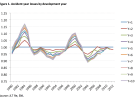
Heard at PCI Meeting: Reserve Covers, Capital Relief Deals Are Growing Trend
They may not be the new black, but references to adverse development covers and capital relief solutions and cropped up more than once in conversations with reinsurance market participants during the ...
Businesses Already Using, Testing Autonomous Vehicles
While private passenger autonomous vehicles are still being tested by Google and other car manufacturers and state legislators mull rules governing driverless vehicles on roadways, their commercial ...
Big Data and Insurance: Coming to a Supermarket Near You
If supermarket chains wanted to get in the business of selling property/casualty insurance, there is a source of consumer information they might tap to identify the best risks that most P/C actuaries ...
Elements of a Properly Structured Business Continuity Plan
Effective business continuity plans are designed to provide a rehearsed road map for the most effective restoration of essential processes and functions after a disruptive event and therefore go hand ...
Why Underwriters Should Require Business Continuity Plans From Insureds
True or False? Companies that identify and develop disaster avoidance, mitigation, response and recovery plans are likely to suffer fewer strategic, financial and operational losses and less adverse ...