


















The weekend winter storm that impacted more than 200 million people from more than 24 states is expected to result in total damage and economic losses of between $105 billion and $115 billion, said AccuWeather.
The preliminary loss estimate accounts for damage to homes and businesses, disruptions to commerce and supply chain logistics, tourism losses, impacts to shipping operations at major hubs, financial losses from extended power outages, major travel delays, as well as damage to infrastructure, said the weather forecaster.
AccuWeather said it has independent methods to evaluate all direct and indirect impacts of the storm, which include both insured and uninsured losses. It includes damage to property, job and wage losses, crops, infrastructure, interruption of the supply chain, auxiliary business losses, flight delays, and other costs from the storm.
“The scope of this winter storm was extraordinary. What sets this storm apart is not just the snow and ice, but how widespread the disruption has been across transportation, energy, commerce and daily life,” AccuWeather Chief Meteorologist Jonathan Porter said. “The extreme cold pouring in behind the storm dramatically increases risks and slows recovery in many of the hardest-hit areas.”
Jasper Cooper, vice president and senior credit officer at Moody’s Rating’s, said insured losses from the winter storm Fern will be in the billions of dollars.
“To date, the largest winter storm by insured losses was the 2021 Texas freeze at $18 billion according to industry estimates,” Cooper said. “In recent years, homeowners and commercial property insurers have raised rates and changed policy terms to cover growth in losses from nonpeak perils such as winter storms.”
AccuWeather said dangerously cold Arctic air in the wake of the storm is expected to complicate recovery and power restoration efforts in some areas.
“Prolonged freezing temperatures increase the likelihood of secondary damage, including frozen pipes, structural issues and additional business interruptions long after the storm has passed,” Porter added.
Related: Post-Storm Freeze to Test US Power Grids as Demand Surges
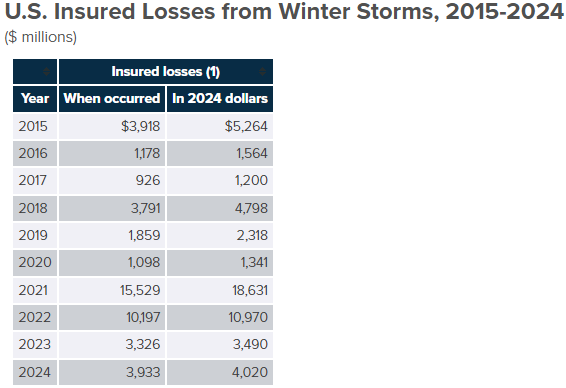
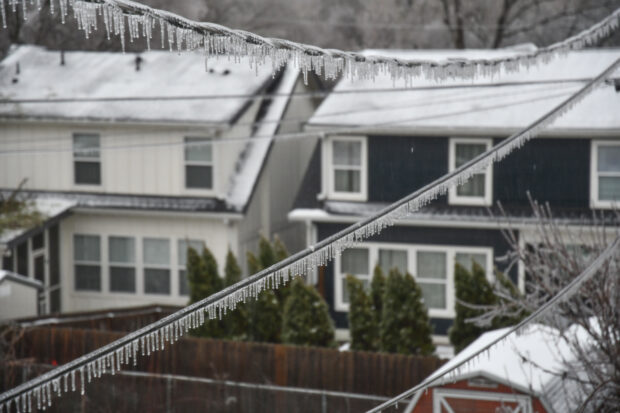
Photo: Icicles form on power lines during the winter storm in Nashville. (AP Photo/Kristin Hall)
 Tech Bytes: New Partnerships at The Zebra, LexisNexis Risk Solutions
  Hawaii Likely Needs $1B in Disaster Recovery, Resilience Funds
  When Builder’s Risk Coverage Doesn’t Reach the Finish Line
  More Roller Coasters Shut Down as Authorities Probe Fatal Fall Off Georgia Ride