

















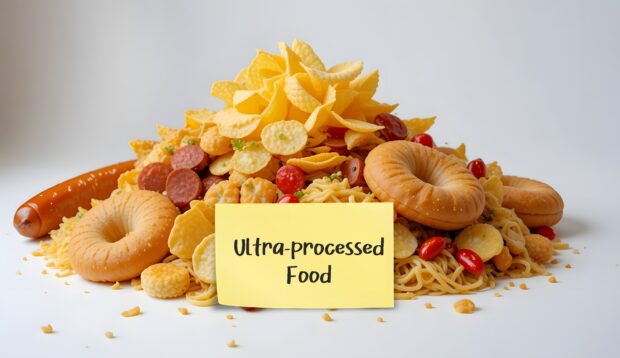
Convenience often dictates daily choices, as demanding schedules make it easy to rely on packaged snacks or ready-made foods to keep busy households moving. For decades, those snacks have largely consisted of affordable, shelf-stable and widely available ultra-processed foods.
Executive Summary
For casualty insurers, the question isn't whether ultra-processed food is a repeat of tobacco or opioids, or even if it becomes the subject of the next mass tort. It's whether the industry recognizes the pattern of emerging risk, according to experts from Moody's.Here they review some of the scientific research linking ultra-processed foods to chronic diseases and early‑onset cancers, fueling claims that are fundamentally different from traditional food-related losses (contamination and recall issues).
At the same time, early lawsuits—including individual product liability claims and population‑level public‑nuisance actions—signal a litigation trajectory reminiscent of tobacco and opioids, raising aggregation risk across manufacturers, suppliers, retailers and advertisers and challenging insurers to adopt forward‑looking models rather than historical loss data.
Ultra-processed foods are heavily marketed to emphasize their taste, ease and value while they are typically sold in eye-catching packaging that captures children’s attention and make these products appear more fun and desirable. A CDC study published in August 2025 reported that children receive approximately 62 percent of their total daily calories from ultra-processed food.
From a liability perspective, ultra-processed food has not been the focus of the insurance industry. Historically, insurers assessed food-related risk through loss experience tied to contamination, recall and labeling issues, not long-tail health effects. A growing body of medical and epidemiological research is making that assumption obsolete by linking ultra-processed food consumption to chronic health conditions, including metabolic disease, endocrine disruption and certain cancers.
At the same time, lawsuits are beginning to test whether those findings can be translated into legal responsibility.
Together, these developments place ultra-processed food on a trajectory that looks increasingly familiar to casualty insurers.
The term “ultra-processed food” entered broader use with the introduction of the Nova food classification system in 2009, which categorizes foods based on their degree of processing. Unprocessed or minimally processed foods include fresh, frozen or dried items that have undergone limited preparation. Processed culinary ingredients include oils, sugar, salt and butter derived from natural sources. Processed foods are created by combining these ingredients with whole foods to preserve or enhance them.