















New York Governor Hochul’s State of the State address proposes a crackdown on fraud to limit the rising costs of auto insurance.
“Car insurance rates are just too damn high, especially at a time when families are feeling squeezed by the cost of living,” Governor Hochul said. “High car insurance rates don’t just impact drivers; they impact all New Yorkers when businesses pass on increased costs to customers. These reforms will crack down on fraud, help drive costs down, and put money back in the pockets of hardworking New Yorkers.”
According to the governor’s office, New Yorkers pay some of the highest car insurance rates in the nation, totaling just over $4,000 annually on average, nearly $1,500 above the national average.
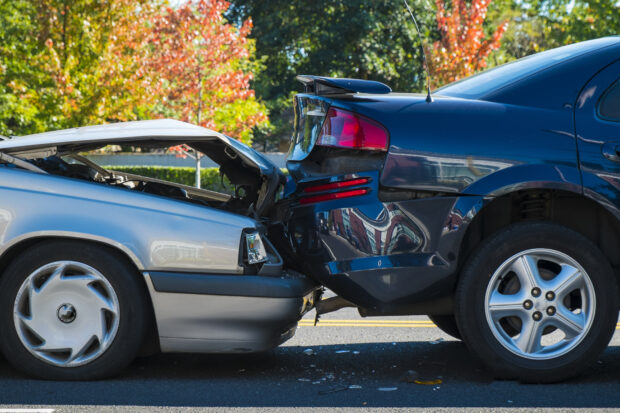
An emphasis on a state-wide initiative to combat organized staged accident schemes was highlighted.
In 2023, there were 1,729 staged crashes in New York State, the second-highest in the nation for incidents of staged fraud.
Insurance carriers reported 38,270 incidents of suspected motor vehicle insurance fraud to the New York State Department of Financial Services (DFS) Insurance Frauds Bureau in 2023 — a record high.
The governor plans to reinvigorate the State’s Motor Vehicle Theft and Insurance Fraud Prevention Board, empowering it to redouble its efforts toward zealously investigating and prosecuting insurance fraud across the state.
Legislation will be enacted to ensure prosecutors can seek criminal penalties against any individual responsible for organizing a staged accident, not just the particular individual behind the wheel, the governor added.
Medical providers who participate in these scams will not go unpunished.
Currently, insurers are only allowed 30 days to investigate potentially fraudulent claims. To ensure fraud is identified and punished, the governor plans to increase the timeframe insurers have to report fraud and reduce barriers to alleging fraud in court, giving insurers more time to investigate and avoid paying fraudulent claims.
Current law permits individuals committing crimes, including impaired driving, to receive generous payouts, including for pain and suffering and emotional distress. A cap to limit the payout on these types of non-economic damages for drivers engaging in criminal behavior at the time of the incident is under review.
Specific crimes that would warrant the capping of damages include:
- Uninsured motorists, who have violated state financial responsibility laws, contribute to additional costs in the insurance market.
- Individuals convicted of driving while impaired at the time of the incident.
- Individuals committing a felony (or fleeing one) at the time of an incident.
New York is one of a minority of states that allow drivers who are deemed “mostly” at fault in an accident to still collect extensive damages, including non-economic damages. Even the driver deemed to be mostly at fault for an accident can walk away with a sizable payout for that accident.
Most states — including Colorado, Connecticut, Delaware, Massachusetts, and New Jersey — only permit recovery of damages if a plaintiff is not primarily at fault for the accident.
The governor plans to seek changes to New York’s laws that will limit the non-economic damages a driver can obtain if they are mostly at fault for an accident, introducing a measure of accountability for who is compensated by insurance after an incident.
The current serious injury threshold within New York’s no-fault insurance law is vague and allows for “individuals injured in an auto accident to make claims for compensation that stretches beyond reimbursement for the medical expenses or lost wages associated with an injury.”
The governor plans to reform the serious injury threshold so that there are clear criteria based on objective and fair medical standards for what actually qualifies as a serious injury.
So that insurers won’t be the only ones to profit from these changes, the DFS will be charged with examining the Excess Profit Law that applies to auto insurers, and in particular, the current threshold trigger, ensuring consumers are prioritized.
 AI Models May Soon Self-Replicate Across Smart-Home Devices, Anthropic Warns
  Viewpoint: The One Thing Holding Back Insurers’ AI Efforts
  Building Trusted Insurance Brands: How Nationwide Delivers Tangible Value to Customers
  The Latest Launches From The Zebra, Sigo Seguros, Applied Systems