

















A computational science doctoral student at the University of Texas at El Paso has successfully tied a new mathematical modeling process to the study of earthquakes.
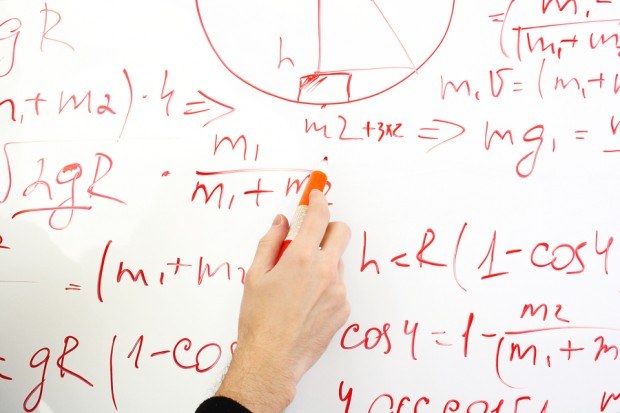
“The model that we applied to the earthquake data was originally applied to financial data,” said Osei Tweneboah, who received his master’s degree from UTEP in 2015.
“Financial data is high frequency, which means there are a lot of fluctuations in the data. Earthquake data behaves like the financial data.”
After going through a variety of financial models to find a good fit, Tweneboah zeroed in on one called Ornstein-Uhlenbeck. His modeling will help analyze the effect that earthquakes from long ago have on present and future quakes. The hope is for better understanding of how tectonic stress decays and accumulates during long periods of time – and to potentially estimate when an earthquake could happen.
Link To Paper: https://www.researchgate.net/publication/302061498_Stochastic_Differential_Equation_of_Earthquakes_Series
 Finding Safer Ground: How Parcel-Level Data Is Redefining Wildfire Risk in California
  California Tops List of Homes Facing Extreme Wildfire Risk, Mitigation Cuts Risk up to 70%
  The Technology Taking Parametric Insurance Mainstream
  Sedgwick: Property Claims Face Delays, Are Growing More Complex