














We live in risky times. War with Iran, the ongoing conflict between Russia and Ukraine, Mexican cartels—global tensions are at an all-time high. The Department of State is advising Americans worldwide to exercise increased caution. And yet, C-suite and other executives still need to travel for business. Carrier Management spoke with Patti Clement, EVP at HUB Private Client, to find out what precautions execs should be taking.
“The biggest thing is that they have to be prepared ahead of time,” Clement said. “They can’t just get on a plane. They have to be educated as to where they’re traveling to have some kind of preparedness ahead of time instead of reacting.”
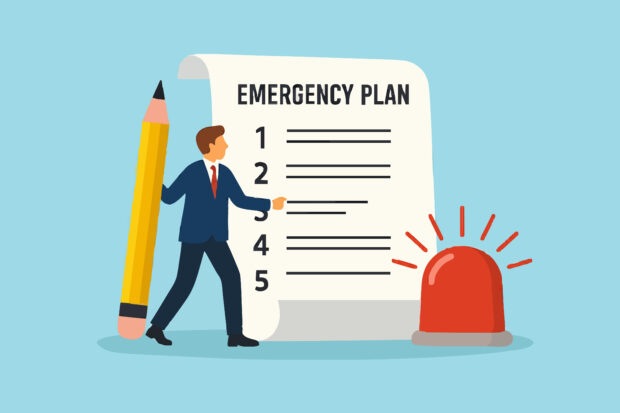
She likened preparedness to packing your suitcase. “Well, you’re going to pack your suitcase, so while you’re at it pack a plan as to what’s going to happen,” she said. “It may never happen—but just have that plan ready to go.”
Check for travel advisories. Clement said one step executives and their teams can take on their own is checking the U.S. State Department website for travel advisories for their destination. “There could be a conflict going on that they’re unaware of, and unfortunately, with the way the world is right now, it could be anywhere,” she said.
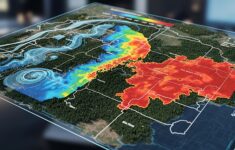
The site includes detailed safety and security risks as well as an International Travel Advisory map color-coded by level:
- Level 1: Exercise normal precautions.
- Level 2: Exercise increased caution.
- Level 3: Reconsider travel.
- Level 4: Do not travel.
Visitors to the site can also sign up for the Smart Traveler Enrollment Program (STEP), a free service that sends you email updates and alerts from U.S. embassies and consulates abroad.
Know the laws. Clement said it’s important to research the rules and laws whenever you visit a foreign country so that you don’t end up making a mistake that gets you arrested. Otherwise, you can risk “detainment for things that you wouldn’t realize,” she said. “Like, in some of these countries if you spit your gum out on the street, you’re arrested. If you dress inappropriately, if you’re holding hands…”
“You’ve got to make sure that you respect the culture [of the country] that you’re going to, and you need to know ahead of time. It’s super important,” she said, noting that a lot of people “get themselves into trouble because they happen to do something silly that wasn’t classed as silly in that particular country.”

Consider purchasing a K&R policy. Clement said that kidnap & ransom (K&R) policies are seeing a sharp uptick in recent months, both for affluent families and business travelers. Policies can cover ransom payments, crisis negotiator fees, emergency evacuation and related expenses. Coverage may include kidnap & ransom, extortion, threats of violence, wrongful detention, political evacuation, express kidnappings (short-term abductions to drain bank and digital accounts), and medical emergencies in regions with limited healthcare infrastructure.
K&R policies can also offer key benefits such as immediate access to professional security consultants and crisis response teams, which Clement considers crucial. The important part is “aligning yourself with resources to get you through whatever that crisis is going to be,” she said. “The bonus would be if there’s an insurance policy attached to it that pays for it.”
Have a team in place. Even if you don’t purchase K&R coverage, make sure to have a briefing with a security firm before you travel to even a moderately risky area, Clement advised. She said most of the security firms HUB works with “have access to the underground world and they’ll sweep the travel itinerary before you travel” to identify any safety concerns.
Clement said it’s important to have a specific contact person in case of emergency.
“The key is to know who that responder is ahead of time—not just a 1-800 number,” she said. Whether you have a K&R policy or you consult with a crisis management team on your own, “research who that person’s going to be who is going to take care of you.” In an emergency situation, “if you don’t have that right person in place who knows the currency and the language, you’re in trouble,” she said.
Be ready for a medical emergency. It’s also important to plan for a potential medical emergency, Clement said, especially since most health insurance has limited or no coverage for those traveling outside the U.S. Beyond the usual packing of extra medication and medical supplies, she advised those with pre-existing conditions especially to research local hospitals and talk to an expert to create a medical evacuation plan.
Clement said that HUB’s portfolio of resources includes access to doctors that will put together medical preparedness plans for traveling executives and families. If you have a medical emergency while traveling overseas, like a brain aneurysm or critical illness, “it’s a matter of life or death,” she said. “Those first minutes and hours are critical.” If you have an emergency team ready to bring in a helicopter to get you to the right hospital, “the survival rate is really good, but if you don’t have any of that in place ahead of time it could be fatal,” she warned.
Don’t go if you don’t have to. “If you’re traveling, you have to be aware right now. Everything is at risk. Listen to the resources. If they tell you not to travel to a certain area, don’t go,” Clement said.
If your destination has a high-risk alert, don’t go. “If there’s an advisory team that’s advising you not to go—and these are safety and security experts, former government officials, military officials—if they’re telling you not to go unless it’s extremely necessary, don’t go, because you’re already inviting the conflict.”
When possible, take advantage of video conferencing tools like Zoom, Microsoft Teams and Google Meet, which make it easy to conduct business meetings without having to leave the country—or even the office.
“But if you do have to travel, make sure you align yourself with somebody who has boots on the ground in that country, who can help you with the language and the currency if something does come up,” she said.
Take extra precautions. You can’t be too overcautious, Clement said. That starts with watching what information you share with the public.
“People have to be really careful what they post on social media because it is an invitation for somebody to go after you or your family members,” she said. Don’t post anything that can give the location of your home or help criminals catalog your belongings. And especially don’t post information about when you’re going to be away. If you want to post pictures of your trip, wait until after you return home.
More importantly, Clement said, don’t post any details about your future travel plans. Knowing your destination and the duration of your stay gives criminals time to research and plan ahead.
She also advised travelers to consider using a fake name if you have a driver picking you up at the airport so they can’t research your name before you get there.
It might be wise to wipe banking and other financial information off your phone before you travel so that criminals can’t use it to access your accounts, she said.
Clement said that HUB is also counseling travelers to have a codeword to alert their company or loved ones if they’re in a crisis situation—for example, if someone is trying to get them to initiate a wire transfer or to make a call home under duress.
 US P/C Insurers See Fewer Ratings Downgrades in H1 2026 on Improved Performance
  The Latest Launches from Vertafore, One Inc., Qumis
  Sedgwick: Property Claims Face Delays, Are Growing More Complex
  Why Your Boss Matters More Than Remote or Hybrid Work When It Comes to Burnout and Job Satisfaction