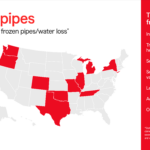












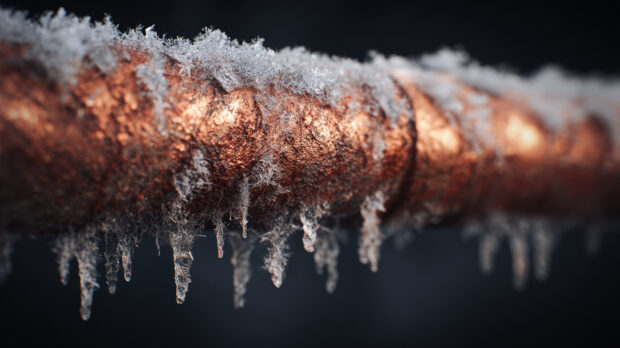
The polar vortex and related harsh weather conditions in many parts of the U.S. last winter led to elevated risks of pipe-freeze incidents from the Northeast and Midwest all the way down through the otherwise warmer South and Southwest regions.
Executive Summary
Experts from a weather and climate geospatial consulting firm and a provider of catastrophe risk management analytics list six critical indicators insurers should monitor to anticipate and mitigate pipe-freeze risks, including building characteristics, temperature trends, wind exposure, aging infrastructure, abnormal weather patterns, and occupancy status. They also underscores the growing vulnerability of southern and western regions to extreme cold events and the importance of predictive modeling, GIS analytics, and proactive communication for effective risk managementAlthough actual insured losses haven’t been compiled yet for 2024-2025, State Farm reported losses of more than $800 million in 2022-2023 for pipe freeze and water damage claims.
(Editors Note: State Farm published pipe freeze claims tallies for 2024-2025 after this article was first published on Carrier Management in December. See related article, “Frozen Pipes Lead to $628M in Losses for State Farm” for the update.)
While pipe freeze incidents are significant and costly, they are also often preventable. Understanding when and where pipes are at risk of freezing can enable insurance companies and homeowners to take steps for effective mitigation.