










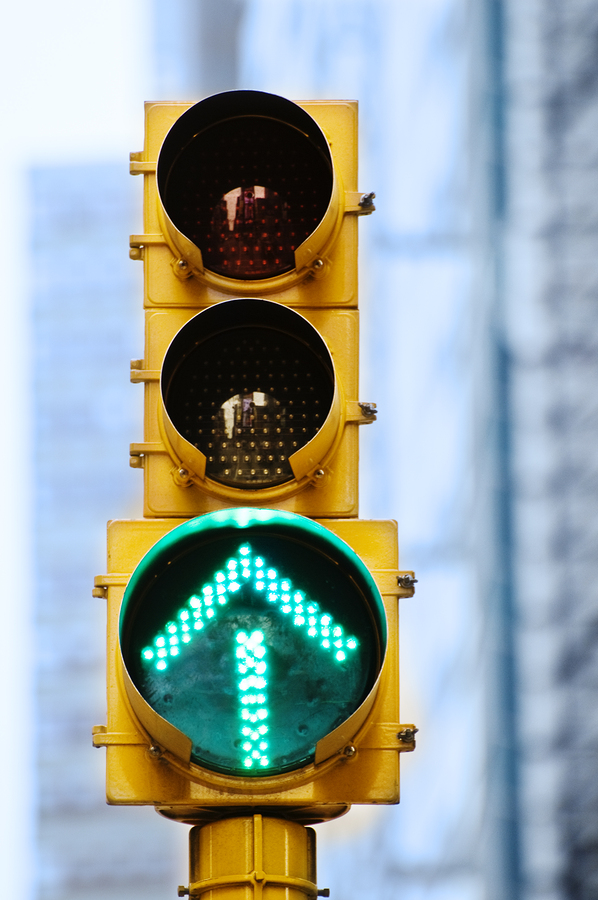
Last month, New York City announced it would begin activating red light cameras at 50 new intersections each week for the next five weeks, reaching 600 intersections by the end of 2026.
The New York City Department of Transportation (NYC DOT) reported that before the expansion currently underway, red light cameras were in place at just 150 intersections— the maximum previously allowed under state law.
The state legislature authorized the city to expand the program to 600 intersections.
“Red light running is one of the most dangerous behaviors on our city’s streets and puts all New Yorkers at risk. That is why we are taking immediate action to ramp up the city’s red light camera program,” said NYC DOT Commissioner Mike Flynn. “These cameras have reduced red light running 73 percent in the intersections where they are installed, and we will pair this heightened enforcement with ambitious street redesigns to make our streets safer.”
The city’s red light camera program has operated for 30 years and is highly effective, according to the DOT.
Where cameras have been installed, NYC DOT reported a 73 percent decline in red light running, a 65 percent decline in T-bone crashes, and a 49 percent reduction in rear-end collisions.
The cameras help crack down on the most dangerous drivers on city streets, the DOT said.
Vehicles that receive five or more red light camera violations in a year are more than 100 times more likely to be involved in a crash that kills or seriously injures someone.
The program has proven beneficial in changing driver behavior and preventing repeat offenders.
In 2023, 94 percent of vehicles caught running a red light received no more than one or two violations. Fewer than 0.5 percent of vehicles received five or more violations.
Additional cameras will be placed at intersections across the five boroughs based on criteria that includes crash history.
 Lyft to Pay $272M to Settle California Rideshare Drivers’ Wage Theft Lawsuit
  Most Americans Think AI Is Developing Too Fast: Poll
  Why Your Boss Matters More Than Remote or Hybrid Work When It Comes to Burnout and Job Satisfaction
  Nearly 50,000 Cars Damaged by Floods This Year: CARFAX