













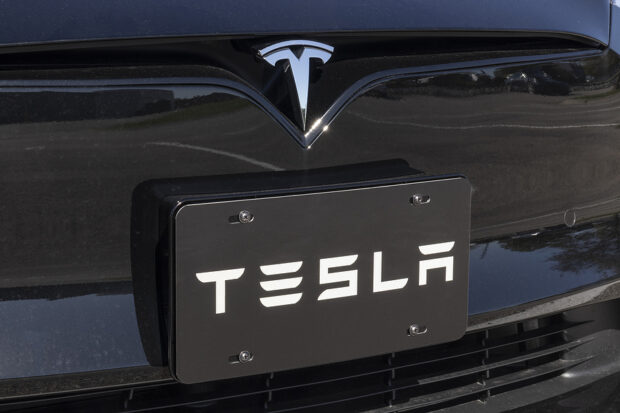
The U.S. auto safety agency said Thursday it would investigate Tesla’s delays in submitting crash reports involving advanced driver-assistance systems or self-driving vehicles.
The National Highway Traffic Safety Administration indicated it had identified numerous incident crash reports from Tesla that arrived several months or more after those incidents.
The regulator requires that a report be submitted within one to five days of a company receiving notice of a crash. In April, the agency revised the requirements.
The safety agency said it was opening an audit query “to evaluate the cause of the potential delays in reporting, the scope of any such delays, and the mitigations that Tesla has developed to address them.”
Tesla did not immediately respond to a request for comment.
NHTSA said that “when the reports were submitted, Tesla submitted them in one of two ways. Many of the reports were submitted as part of a single batch, while others were submitted on a rolling basis.”
In discussions with the company, Tesla “indicates that the timing of the reports was due to an issue with Tesla’s data collection, which, according to Tesla, has now been fixed,” the regulator said.
NHTSA is also reviewing whether any reports of prior incidents remain outstanding and whether reports submitted included the required and available data.
Since October, NHTSA has been investigating Tesla’s full self-driving collisions in reduced roadway visibility conditions. The probe covers 2.4 million Tesla vehicles equipped with full self-driving technology after four reported collisions, including a 2023 fatal crash.
It separately opened an investigation in January into 2.6 million Tesla vehicles over reports of crashes involving a feature that allows users to move their cars remotely.
NHTSA is scrutinizing Tesla’s deployment of self-driving robotaxis in Austin, Texas, launched in June, stating in a July 1 email to Tesla that it was still reviewing the deployment and inquired about whether Tesla employees can remotely drive the vehicles.
(Reporting by David Shepardson. Editing by Bernadette Baum,)
 Push to End U.S. Changing Clocks Hits Dead End
  Levers and Guardrails: How Growth Is Being Built at Hippo
  Delegation Without Abdication: A Division of Labor for Human-AI Decisions in Insurance
  Highway Safety Agency Plans to Revise Outdated Vehicle Lighting Rules