















Skip to content

Carrier Management

Critical Information for P/C Carrier Executives

Highlights

  • Why Reciprocal Insurance Exchanges Are Back in Fashion
  • What Progressive and GEICO Q3 Results Reveal About Auto ...
  • How One MGU Grew Fivefold When Capacity Fled Cat-Prone ...
  • Carrier Management
  • C-Suite
  • News
  • Research
  • Leadership
  • Markets
  • Regulation
  • Top 50
  • Members Only
  • Join
  • Login
  • Boardroom Agenda
  • CEO / Chief Executive
  • CFO / Financial
  • Underwriting
  • CTO / Technology
  • Risk
  • Brand Management & Sales
  • Investment Officers
  • Claims / Legal
  • Talent Management
Chocolate, String Top Things Pets Swallow Leading to Costly Vet Bills
AI Companies’ Safety Practices Fail to Meet Global Standards: Study
  • U.S.
  • International
  • Industry News
  • Government
  • Technology & Science
State Farm Sued Over Policies Backed by Distressed Insurer PHL
Florida, East Coast to See Big Insured Losses From More Cat 5 Storms, Researchers Say

See all News

  • Executive Spotlight
  • Innovation
  • Strategy
  • Leadership
  • Performance
  • Growth Initiatives
  • Social Responsibility
Executive Utterances: On Presenting
Why Reciprocal Insurance Exchanges Are Back in Fashion
  • Reinsurance
  • Emerging Markets
  • Global Economy
  • Personal Lines
  • Commercial Lines
  • Specialty
Foundation Firmed: AM Best Switches View of U.S. Homeowners Insurers to Stable
How ‘Super Roofs’ Reward Insurers, Cat Bond Investors and Homeowners
  • Insurance Regulation
  • Securities Regulation
  • Accounting & Tax
  • Rating Agencies
Dozens of State Attorneys General Urge Congress Not to Block AI Laws
U.S. E&S Outlook No Longer Positive: AM Best
Texas ID Restrictions Could Prevent Illegal Immigrants in U.S. From Buying, Registering Vehicles
AM Best Downgrades State Farm Mutual Auto
Artificial Intelligence on Trial: What Recent Lawsuits Reveal About Casualty Exposure
What Progressive and GEICO Q3 Results Reveal About Auto Insurance Profit, Growth

See all Top 50

The Future of Knowledge in Insurance: From Training to AI-Powered Productivity
6 Warning Signs for Insurers: How to Anticipate, Respond to Pipe Freezes
Why Insurance Telematics Integrations Fail
How One MGU Grew Fivefold When Capacity Fled Cat-Prone Property Markets

See all Members Only Content

Benefits

  • News for the P/C Insurance C-Suite - Focused reporting from reliable sources and experienced financial journalists.
  • Research and Analysis Not Found Elsewhere - Exclusive content from researchers think tanks, industry experts and respected analysts.
  • High-Profile Peers - Interviews with thought leaders in the global and U.S. insurance industry.

Online Access

Complete, unrestricted access to the popular CarrierManagement.com website, which provides insurance company C-suite executives with daily news, white papers, advice, instruction and editorial on how to manage insurance companies more efficiently and more effectively.

Wells Fargo Account Scandal Draws Calif. Criminal Probe

Print Email
October 20, 2016 by Sarah N. Lynch

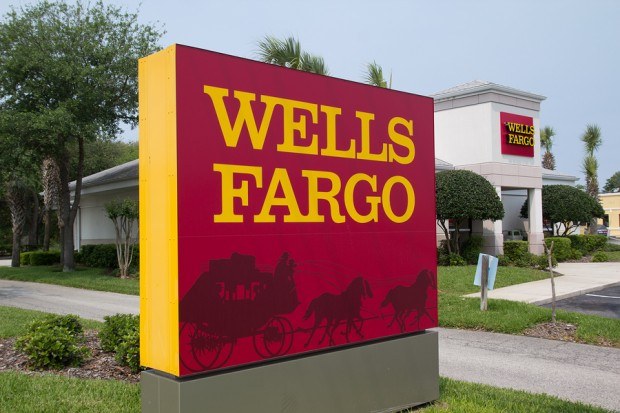
The California Attorney General’s Office has launched a criminal investigation into Wells Fargo over allegations it opened millions of unauthorized customer accounts and credit cards, according to a seizure warrant seen by Reuters.

Attorney General Kamala Harris authorized a seizure warrant against the bank that seeks customer records and other documents, saying there is probable cause to believe the bank committed felonies.

The probe marks the latest setback for the bank in a growing scandal that led to the abrupt retirement of its chief executive officer, monetary penalties, compensation clawbacks, lost business and damage to its reputation.

Wells Fargo spokesman Mark Folk did not immediately provide a comment in response to requests from Reuters, but was quoted in the Los Angeles Times as saying the bank is “cooperating in providing the requested information.”

A spokeswoman for the California Department of Justice said she could not comment on the probe.

The bank’s downward spiral kicked into high gear last month.

The U.S. Consumer Financial Protection Bureau and other regulators ordered the United States’ third-largest bank by assets to pay $190 million in fines and restitution to settle civil charges that its branch staff created as many as 2 million accounts without customers’ knowledge in order to meet internal sales targets.

The CFPB said that high pressure sales tactics and financial incentives fueled the fraud, which was largely carried out by low-level branch employees. About 5,300 of those employees were fired.

Shortly after the civil settlement was made public, CEO John Stumpf was called to testify before Congress.

Observers have widely criticized his performance, with many saying he appeared ill-prepared to deal with tough questioning by lawmakers including Massachusetts Democratic Senator Elizabeth Warren, who called for his resignation and accused him of him “gutless” leadership.

Last week, Stumpf resigned and was replaced by Chief Operating Officer Tim Sloan.

This is at least the second criminal probe to be opened into Wells Fargo since last month. In September a source told Reuters that federal prosecutors are also looking into the matter.

An affidavit filed by Special Agent Supervisor James Hirt with the California Department of Justice reveals that interviews with possible victims of the fraud have already started.

One victim, identified only as “Ms. B,” told the investigator that she had declined a request by a Wells Fargo teller in late 2011 or 2012 to open new accounts.

But sometime in late 2013 or early 2014, she started to receive notices that she and her husband “allegedly owned on three life insurance policies held by the bank,” the affidavit says.

She also told the investigator that Wells Fargo often claimed that her accounts had to be closed and reopened because of “problems” that it could never fully explain. The constant changes, she added, sometimes caused her to incur fees because her checks would bounce.

Another alleged victim, identified as “Ms. C,” told the investigator she noticed the bank was transferring money from her checking account to her savings account in amounts that grew over time, from $50 to $150.

The bank claimed the transfers were done as overdraft protection, but it refused to provide her bank statements when she asked to see them.

The seizure warrants by the state are seeking a variety of documents from Wells Fargo, including a list of all unauthorized California customer accounts created between May 2011 and July 2015.

It also seeks information about fees, charges and other costs that were incurred and the identity of all Wells Fargo employees that may have opened the accounts.

Copyright 2025 Reuters. Click for restrictions.
Print Email
CEO / Chief ExecutiveClaims / LegalClaims & ReservingCommercial LinesGlobal EconomyLitigation/Liability TrendsMarketsNewsThe C-SuiteU.S.

Was this article valuable?

Thank you! Please tell us what we can do to improve this article.

Thank you! % of people found this article valuable. Please tell us what you liked about it.

Here are more articles you may enjoy.

What Progressive and GEICO Q3 Results Reveal About Auto Insurance Profit, Growth
U.S. E&S Outlook No Longer Positive: AM Best
The Good Neighbor
Why Reciprocal Insurance Exchanges Are Back in Fashion

Related Articles

Wells Fargo CEO John Stumpf Quits in Fake Account Fallout
Wells Fargo Lesson: Culture Work Hard for Growing Cos., Says Markel CEO
Wells Fargo Scandal May Reach to Thousands of Small Business Owners
Wells Fargo Will Pay $50M to Settle Suit Over Homeowners Fees
Wells Fargo Will Settle Lawsuit Over Account Abuses With $110M Payment
Wells Fargo Believes Customers Properly Reimbursed in Fake Account Scandal
Wells Fargo Slammed With Class Action Lawsuit Regarding Sales Practices
Wells Fargo Phony Account Scandal May Be Bigger Than Previously Thought
Wells Fargo Settles Racial Bias Broker Lawsuit

Our Contributors

Guy MoasThe Future of Knowledge in Insurance: From Training to AI-Powered Productivity
Ashley Ballard6 Warning Signs for Insurers: How to Anticipate, Respond to Pipe Freezes
Tom ReillyGetting the Embedded Ecosystem Right
Adam MasarekEvolving Trends in Coverage Litigation: What Carriers Need to Know
Mark PizziExecutive Utterances: On Presenting
See All Our Contributors

Free Newsletter

NewsletterSign up to receive daily news!

Our Contributors

Mark PizziExecutive Utterances: On PresentingAshley Ballard6 Warning Signs for Insurers: How to Anticipate, Respond to Pipe FreezesGuy MoasThe Future of Knowledge in Insurance: From Training to AI-Powered ProductivitySee All Our Contributors

Latest Magazine

Carrier Management magazine
View All
  • C-Suite
  • News
  • Leadership
  • Markets
  • Regulation
  • Top 50
  • Members Only
  • Videos

Headlines

  • Why Reciprocal Insurance Exchanges Are Back in Fashion
  • What Progressive and GEICO Q3 Results Reveal About Auto ...
  • How One MGU Grew Fivefold When Capacity Fled Cat-Prone ...
  • The Cayman Islands Set Sail for Reinsurance Ops

Resources

  • Videos / Podcasts
  • Contributors

Popular Topics

  • Boardroom Agenda
  • Technology
  • Financial
  • News

Brand Spotlight

  • Cotality
  • HazardHub
  • Indico Data
  • Majesco
  • Verisk
  • Vertafore

Connect with us

  • Email Newsletters
  • Twitter
  • Facebook
  • LinkedIn
  • Do Not Sell My Info

Carrier Management

  • Submit Content
  • Advertise
  • Subscribe
  • Contact Us

Wells Media Group Network

  • Carrier Management iconCarrier Management
  • Insurance Journal iconInsurance Journal
  • Claims Journal iconClaims Journal
  • IJ Academy iconInsurance Journal Academy
  • Insurance Journal TV iconInsurance Journal TV
  • MyNewMarkets.com iconMyNewMarkets.com
© 2025 by Wells Media Group, Inc. Privacy Policy | Terms & Conditions | Site Map