

















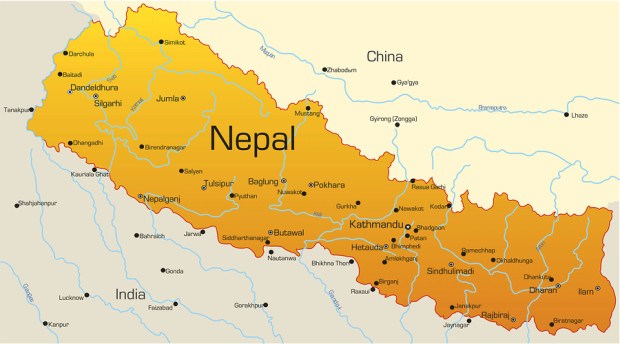
Damage in India could cost an additional $800 million, according to figures from the disaster-modeling firm that include property damage and long-term business-interruption costs. Less than 1 percent of the losses are covered by insurance, according to Kinetic’s initial data from the main quake. The estimates exclude costs for immediate needs such as food.
“Most developing countries just don’t really have mature insurance industries,” Chuck Watson, Kinetic Analysis’s director of research and development, said in a telephone interview Monday. “It’s getting by day-to-day. They’re not really concerned with things like insurance.”
The magnitude 7.8 earthquake Saturday and aftershocks killed more than 3,700 people and displaced millions from their homes. Nepal has a gross domestic product that is smaller than any of the 50 U.S. states. Its 28 million people have the lowest spending power of any Asian country apart from Afghanistan, International Monetary Fund statistics show.
“I suspect this tragic event will perpetuate the fact that preparedness, let alone insurance penetration, was woefully low,” Julian Roberts, lead partner at the strategic risk consulting practice at insurance broker Willis Group Holdings Plc, said in an e-mailed statement. “We’ll probably find that there was more insurance carried by the tourists and expat community out there than all the Nepalese combined.” –With assistance from Unni Krishnan in New Delhi and Anto Antony in Mumbai.
 US States Allege Corteva Spinoff a Bid to Evade PFAS Liabilities
  California Tops List of Homes Facing Extreme Wildfire Risk, Mitigation Cuts Risk up to 70%
  How a Kelvin Wave Is Raising the Sea Level Along the West Coast
  The Latest Launches from Vertafore, One Inc., Qumis