

















Insurers have built an industry around models that are inherently stable. You assess risk over time, price it in cycles and adjust it with a degree of predictability.
Executive Summary
"A faster pricing model does not deliver value if approvals still take weeks. Better data does not improve underwriting outcomes if it cannot reach the underwriter at the point of decision."Edwin Amerman of Earnix offers the observations here, arguing that property/casualty insurers are not falling behind because they lack insight but because their operating models cannot act on that insight fast enough in a rapidly changing risk environment.
That model is under strain, not because insurers lack data or analytical capability but because the speed of risk has outpaced the systems designed to manage it.
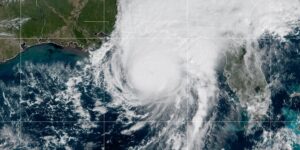
Aon’s latest catastrophe insight report shows global insured losses of roughly $127 billion in 2025, reinforcing a multi-year trend of elevated catastrophe losses, driven largely by secondary perils such as severe convective storms and wildfires. At the same time, liability exposures continue to evolve, with social inflation and litigation trends introducing new volatility into casualty lines.