











Underwriting
Viewpoint: Get Ready Now for the Soft Market (Because It’s Coming)
While discussing soft market underwriting may seem ill-timed given current strong results and hard market conditions, there are worrying signs that underwriters are beginning to chase market share in ...
50 Shades of Catastrophe Model Vendor Transparency
There are two players in the tug of war that is the implementation of a catastrophe (CAT) model—the user and the vendor. Users require a sophisticated CAT model that pulls together multiple ...
Perils, CyberAcuView Launch U.S. Cyber Industry Loss Index
A U.S.-focused Cyber Industry Loss Index has been launched by Zurich-based Perils and CyberAcuView, an independent U.S.-based organization formed by leading cyber insurers, to keep capital flowing in ...
Hard Market Pressure: Surplus Lines Lifting Heavy Load in Turbulent Times
As the longest hard market in memory refuses to fade, standard property/casualty carriers are not only continuing to raise prices but also reimagining their books by shedding risks they no longer ...
Grid-by-Grid: How One Tech Firm Dissects California Wildfire Risk to Sell Insurance and Reinsurance
There is general consensus among insurance and reinsurance underwriters about the safest property risks to accept in the California market, according to the co-founder of a company that uses ...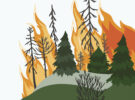
Evacuation Policies and Cat Strips: Wildfire Insurance and Reinsurance Ideas That Failed
Sometimes, it takes a few tries to develop the right insurance or reinsurance product—one that will align well with the needs and wants of customers. Kettle, a company that uses technology to ...
The Care and Feeding of Property-Catastrophe Models
A wise statistician once said: "All models are wrong, but some are useful." The key to getting useful (accurate) model results is working with models that fit specific underwriting needs and making ...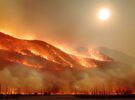
The Long Tail: Aftermath of Disaster
While I was doing research for this edition, I came across these paragraphs, written by one of the leaders of a technology company, recalling a previous role he had working in disaster relief. After ...