

















From 1988 through 2023, for nearly 35 years, I worked inside insurance companies: GEICO, Safeco, AIG, State Auto and Liberty Mutual. I held roles across actuarial, product, underwriting, claims, general management and the C-suite.
Executive Summary
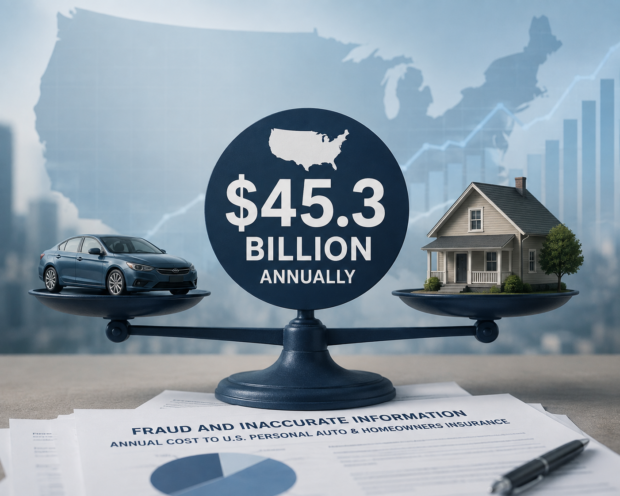
The problem of uncaught fraud is real for insurers, according to industry veteran and actuary Kim Garland, who estimates that fraud and inaccurate information cost the U.S. personal auto and homeowners insurance market an estimated $45.3 billion annually. But there is little pure economic benefit for any single insurer to wage an all-out war on fraud, he notes. Here, he offers a five-step plan based on the information he wished he had known when he was actively leading insurance carrier operations and discusses behavior-indicator technologies now available to complete the first step: identifying trustworthy versus non-trustworthy policyholders and claimants at every critical touchpoint.For the last three years I have looked at the industry from the outside. That distance has revealed insights I wish I had possessed while leading carriers. This article is my attempt to share them.
The overarching lesson is simple and uncomfortable: living inside the insurance industry distorts one’s view of reality.
We Have Come to Accept the Unacceptable
Uncaught fraud in U.S. personal lines runs approximately $45 billion annually, roughly 8.5% of personal lines premium. Personal auto accounts for about $32 billion (nearly 9% of premium); homeowners for nearly $14 billion (about 8%). These estimates are painful to hear, and they reflect the persistent gap between the fraud we catch and the fraud that remains embedded in the system.