














Labor Day travelers face heavier traffic, higher fuel, airfare, and hotel costs this year, according to AAA.
Booking data shows strong demand for destinations across the U.S., Canada, and Europe.
The Top Labor Day Travel Destinations for 2026:
Top Domestic Destinations
Seattle, WA
Orlando, FL
Boston, MA
Denver, CO
New York, NY
Chicago, IL
Anaheim/Los Angeles, CA
Las Vegas, NV
Anchorage, AK
Atlanta, GA
Top International Destinations
Rome, Italy
Vancouver, Canada
London, England
Dublin, Ireland
Paris, France
Calgary, Canada
Barcelona, Spain
Athens, Greece
Amsterdam, Netherlands
Halifax, Canada
Labor Day Travel Costs Rise for Flights and Hotels
Travelers are paying more for several major components of a Labor Day vacation this year.
AAA booking data shows average domestic airfare is up 2% compared to last year, averaging $750 for a roundtrip ticket. For travelers flying to the most popular Labor Day destinations, airfare is nearly 20% higher than last year, averaging $790.
International airfare is down 4% year over year, creating opportunities for travelers looking beyond U.S. borders.
Travelers are also paying more for accommodations. Domestic hotel bookings are up 9% compared to last Labor Day weekend, while international hotel bookings are 12% more expensive.
AAA booking data shows cruises departing from U.S. ports are 4% less expensive than last year, averaging $2,700 per booking.
Gas Prices May Be More Expensive Than Last Labor Day
Current market trends suggest motorists could pay more than they did a year ago for gas. The national average price of gasoline on Labor Day 2025 was $3.19 per gallon and in Wisconsin it was $2.99 per gallon.
Crude oil, which accounts for roughly half the price consumers pay for gasoline, remains more expensive than it was a year ago. Energy analysts also point to strong refinery demand and relatively low crude oil inventories as factors that continue to support higher fuel prices.
Labor Day Traffic Forecast: Best and Worst Times to Travel
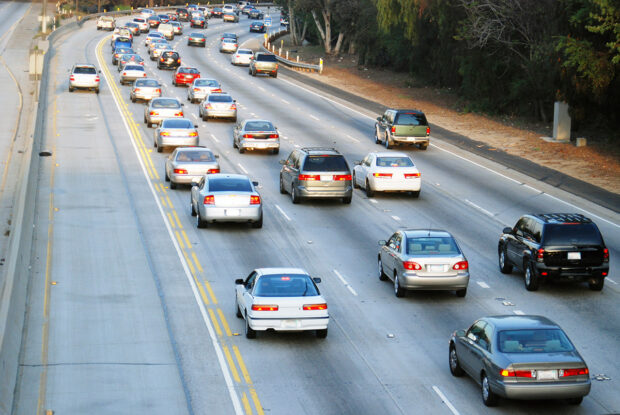
The heaviest traffic congestion is expected to occur Thursday and Friday, according to INRIX, a provider of transportation data and insights.
The worst times to travel are expected to be:
Thursday, Sept. 3: 2 p.m. to 7 p.m.
Friday, Sept. 4: Noon to 8 p.m.
Saturday, Sept. 5: 1 p.m. to 5 p.m.
Monday, Sept. 7: 2 p.m. to 5 p.m.
Unlike longer holiday periods, Labor Day travel is often concentrated into a shorter window, resulting in significant congestion as holiday travelers mix with normal commuter traffic.
The automobile association is also reminding drivers to prepare their vehicles before any road trip, since more than 400,000 drivers needed roadside assistance last Labor Day.
 Nearly 50,000 Cars Damaged by Floods This Year: CARFAX
  The Latest Launches from Soteris, CLARA, Cozmo AI
  Majority of Online Scam Campaigns Target Common Infrastructure: Study
  Push to End U.S. Changing Clocks Hits Dead End