










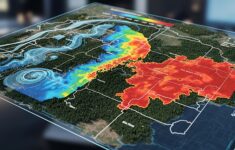


Catastrophe modeler Karen Clark & Company (KCC) announced the release of the KCC U.S. Winter Storm Model Version 3.0.
The latest model captures two types of winter storms: extratropical cyclones (ETCs) and Arctic air outbreaks.
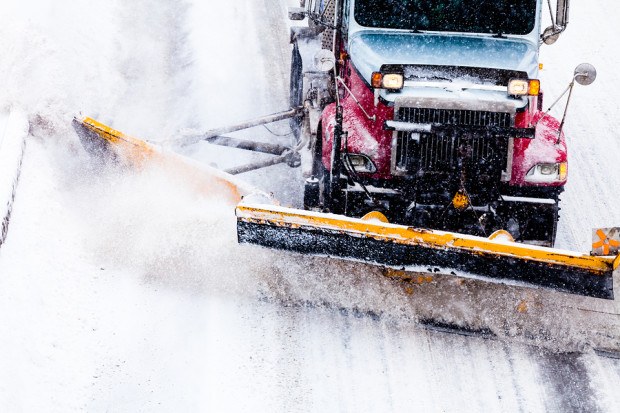
North American ETCs are large, low-pressure systems, such as Nor’easters, that cause damage as a result of strong winds and snow and ice accumulation.
Arctic air outbreaks, often associated with high-pressure systems, are periods of extremely cold polar air that plunge south into the mid-latitudes, potentially causing extensive damage due to long durations of sub-freezing temperatures.
The most recent example of this is the February 2021 event that caused nearly $20 billion in insured losses, as forecast by the KCC model.
There is no current scientific consensus on how climate change is impacting the frequency or severity of winter storms in the U.S., KCC stated. “Though there is evidence that the severity of Arctic air outbreaks may increase as temperatures warm, due to a phenomenon called Arctic amplification,” it added.
Since Arctic warming reduces the difference between cold Arctic air and warm air in the mid-latitude regions, it weakens the polar vortex. When the polar vortex is weak, freezing arctic temperatures are more likely to dip down into the mid-latitudes, increasing the likelihood of anomalously cold temperatures in areas not generally prepared for these conditions, KCC stated.
“The winter storm peril—while not a solvency threat for major insurers—can produce large losses, as was demonstrated in February of 2021,” said Karen Clark, co-founder and CEO. “A $30 billion winter storm event would not be a surprise today.”
Version 3.0 introduces a refined method for calculating the effects of terrain on winter storms. In addition, new secondary building characteristics have been introduced for each sub-peril to capture the unique impacts of wind, snow/ice, and freezing temperatures on different building features and mitigation measures.
While the annual expected losses from winter storms have not increased significantly, the probability of $20 billion or more losses has increased, KCC added.
 Push to End U.S. Changing Clocks Hits Dead End
  Laws to Protect Workers from AI Risks Signed by California Governor
  California Tops List of Homes Facing Extreme Wildfire Risk, Mitigation Cuts Risk up to 70%
  Federal Bill Seeks to Reduce Work Week to 32 Hours