

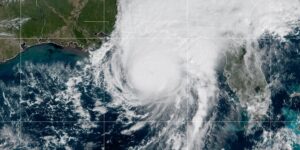














Breaking Hurricane Allen’s record of 190 MPH wind gust in 1980, Melissa registered 252 MPH, according to NSF NCAR’s measurement.
NSF NCAR is sponsored by the U.S. National Science Foundation and managed by the University Corporation for Atmospheric Research.
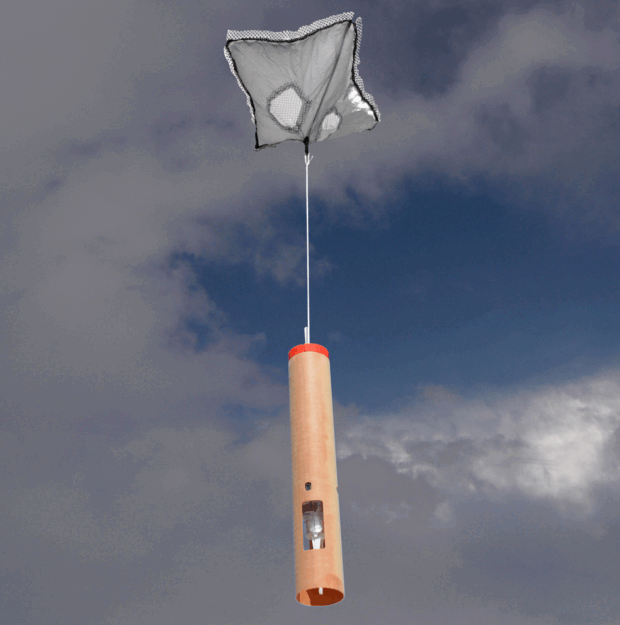
Using dropsondes created by NSF NCAR, NOAA Hurricane Hunters dropped the weather instruments into Melissa, providing a way to track wind speed, storm pressure, temperature, and humidity.
According to an article on NSF NCAR’s website by Audrey Merket, the cylindrical devices float under a small parachute, collecting data during extreme weather events.
Hurricane Melissa’s 252 mph wind gust also surpassed a previous record set by Typhoon Megi in the Western Pacific in 2010, where a dropsonde measured wind gusts of 248 mph.
“While other instruments can measure elements like pressure, temperature, humidity, and wind, none of them can get all four of them at once while inside of a hurricane,” Merket’s article stated.
In addition, the devices record measurements 2-4 times per second while descending, providing researchers with incredible detail.
NSF NCAR engineer Terry Hock, who manages the Dropsonde Program, said it’s the only way to get information about what is going on inside and outside a storm at sea level, where it matters most.
Image: An NRD41 dropsonde, like the ones dropped into Hurricane Melissa, with Hurricane Irma in the background. Dropsonde technology is developed by NSF NCAR and manufactured by Vaisala. (Image: Holger Vömel/NSF NCAR)
 U.S. Power Use Expected to Reach Record Highs in 2026, 2027 as AI Surges
  Why Your Boss Matters More Than Remote or Hybrid Work When It Comes to Burnout and Job Satisfaction
  Texas Reports Downward Trend in Home, Auto Insurance Rates
  How a Kelvin Wave Is Raising the Sea Level Along the West Coast