















Post-pandemic lifestyle changes, return-to-office mandates, and extreme weather are reshaping mobility across the U.S., according to a new report by mobility data and analytics company Arity.
Its 2025 Driving Behavior Report indicates Americans are driving farther, facing more congestion, and reacting in unexpected ways to climate events.
The driving behavior data offers insurers the opportunity to modify pricing models, apply more precise risk scoring, and better anticipate claims, according to the report.
Based on anonymized data from over 45 million U.S. connections between 2022 and 2025, the report found that commutes are longer.
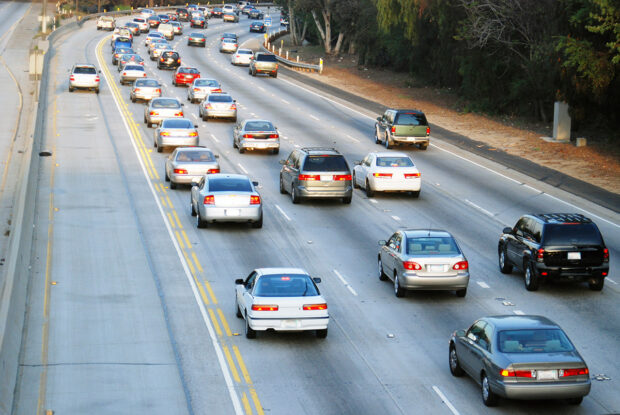
Trip distances and durations reached their highest levels in early 2025, with local connector roads carrying the majority of U.S. traffic, a potential strain on roadway infrastructure.
Rush hours are changing, likely due to return-to-office mandates.
Nationally, morning rush hours are intensifying, while afternoon traffic times have become more flexible, the data showed.
Climate events revealed surprising evacuation behavior.
During Hurricane Helene in Florida, many residents stayed put despite official evacuation orders, while in Los Angeles, the Palisades Fire triggered surges in trip volume, hard braking, and phone distraction as residents fled.
“Driving behavior is a reflection of human behavior broadly,” said Gary Hallgren, president of Arity. “When we look at how long people drive, how often they’re distracted, or how they react during emergencies, we’re uncovering more than traffic patterns – we’re seeing how communities live and adapt. These insights empower industries to design safer experiences, smarter products, and more responsive services for the people they serve.”
While distracted driving is trending downward, it spikes during holidays.
After peaking in late 2023, distracted driving rates returned closer to 2022 levels in 2024 and early 2025, though summer holidays continue to show higher levels.
Among the highest-risk drivers, the data showed phone use occurs once every five to six miles.
Traffic congestion appears in sudden acceleration.
Sudden acceleration increased in 2025, indicating increasing local traffic congestion, especially during school months when stop-and-go driving is more common.
“As mobility continues to evolve, the real opportunity is putting insights into action,” added Hallgren. “These insights within the report give organizations across industries a roadmap to leverage driving behavior data – helping them anticipate risk, personalize services, and strengthen safety in our transportation ecosystem. By applying these findings, companies and agencies can better meet the needs of the people they serve, while also creating lasting benefits for them.”
 Amazon Cargo Plane Pilots Weren’t Warned About Wind Before Miami Crash: NTSB
  Be Mindful: How Workplace Hierarchy Can Shape Even Positive Interactions
  Levers and Guardrails: How Growth Is Being Built at Hippo
  U.S. Power Use Expected to Reach Record Highs in 2026, 2027 as AI Surges