
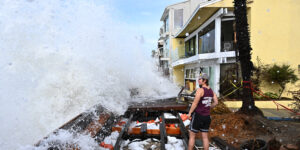
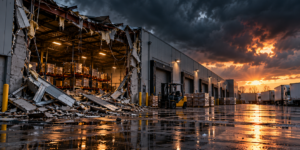












A recent survey conducted by The Harris Poll on behalf of the American Institute of CPAs (AICPA) found that many Americans are financially unprepared for a natural disaster.
Nearly one-third (32 percent) of Americans have taken no financial steps to prepare for a natural disaster.
Another two-thirds (66 percent) say that being impacted by a natural disaster would have a major (29 percent) or moderate (37 percent) impact on their financial situation.
“Many Americans don’t think about their finances when it comes to preparation for a natural disaster. However, financial needs become front and center after the destruction has already taken place,” said Eva Simpson, CPA, AICPA vice president of member value, tax & advisory services. “Disaster preparedness when it comes to finances can go a long way to mitigate the financial toll and help people and businesses recover.”
The top actions Americans have taken to prepare financially for a natural disaster include evaluating insurance needs to assure adequate coverage (31 percent) and taking inventory of assets and possessions for insurance purposes (30 percent).
At the bottom of the list was creating or updating an estate plan and/or will (19 percent).
Sixty-three percent of business owners surveyed say they are either very (31 percent) or somewhat (33 percent) concerned about the possibility of financial hardship for their business if the business were to experience financial losses from a natural disaster.
When business owners were asked what their top three biggest worries were when it comes to recovering from a natural disaster, they were most concerned with:
- Loss of revenue due to business closure or disruption (33 percent)
- Loss of customers or contracts (29 percent)
- Damage to property, equipment, or inventory (26 percent)
Top advice for individuals to prepare for a disaster includes:
- Creating an emergency fund
- Reviewing insurance policies
- Protecting important documents
- Creating an estate plan
Top advice for businesses to prepare for a disaster includes:
- Review communication channels among employees, vendors, etc.
- Plan for remote work
- Protect data
- Prepare for physical workspace disruption
 AI Data Center Boom: Understanding How Risks Are Changing
  Viewpoint: The One Thing Holding Back Insurers’ AI Efforts
 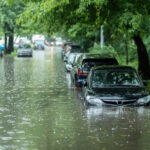 Nearly 50,000 Cars Damaged by Floods This Year: CARFAX
  Why Your Boss Matters More Than Remote or Hybrid Work When It Comes to Burnout and Job Satisfaction