















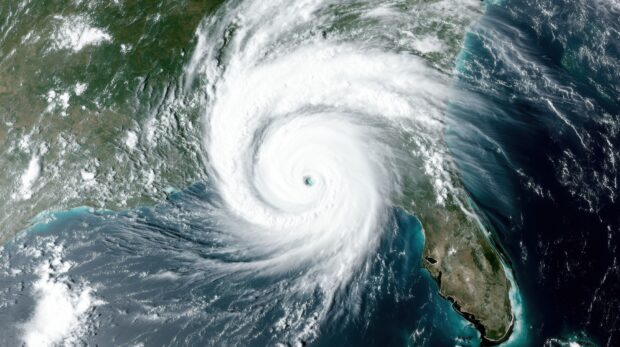
Weather researchers at Colorado State University decreased the number of hurricanes expected in the Atlantic this season.
Rather than the 17 named storms initially predicted earlier this year, the CSU team now predicts 16 named storms with eight becoming hurricane strength versus the nine previously predicted. Three are expected to be considered major hurricanes versus the four previously predicted.
Researchers said the primary reason for the decrease in the outlook was due to observed and predicted high levels of Caribbean wind shear.
High levels of Caribbean shear in June/July are typically associated with less active hurricane seasons, the research team stated.
Because of continued above average sea temperatures, researchers anticipate a slightly above-average probability for major hurricanes making landfall along the continental United States coastline and in the Caribbean.
Researchers also issued predictions for the following probabilities:
PROBABILITIES FOR AT LEAST ONE MAJOR (CATEGORY 3-4-5) HURRICANE LANDFALL ON EACH OF THE FOLLOWING COASTAL AREAS (AFTER JULY 8):
- Entire continental U.S. coastline – 48 percent (average from 1880–2020 is 43 percent)
- U.S. East Coast including Peninsula Florida (south and east of Cedar Key, Florida) – 25 percent (average from 1880–2020 is 21 percent)
- Gulf Coast from the Florida Panhandle (west and north of Cedar Key, Florida) westward to Brownsville – 31 percent (average from 1880–2020 is 27 percent)
PROBABILITY FOR AT LEAST ONE MAJOR (CATEGORY 3-4-5) HURRICANE TRACKING THROUGH THE CARIBBEAN (10–20°N, 88–60°W) (AFTER JULY 8):
- 53 percent (average from 1880–2020 is 47 percent)
 Nearly 50,000 Cars Damaged by Floods This Year: CARFAX
  Highway Safety Agency Plans to Revise Outdated Vehicle Lighting Rules
  AI Models May Soon Self-Replicate Across Smart-Home Devices, Anthropic Warns
  Building Trusted Insurance Brands: How Nationwide Delivers Tangible Value to Customers