















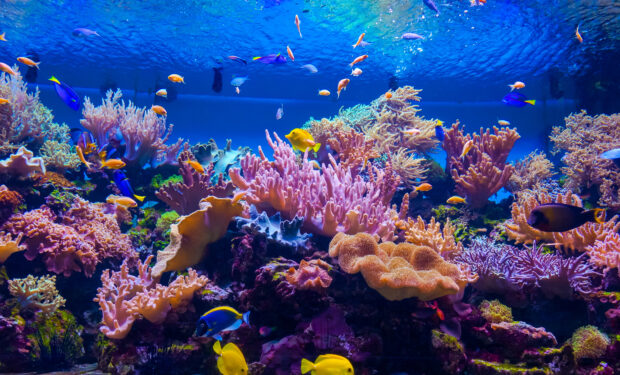
Natural coastal habitats such as coral reefs, mangrove swamps and salt marshes can provide significant protection against lower-severity storms and help reduce flood losses, according to a recent Swiss Re Institute report.
Swiss Re looked at the Florida coastline, noting it has the highest exposure to storm surge of any U.S. state. The study analyzed insurance claims sourced from the OpenFEMA data of the National Flood Insurance Program (NFIP) for flood events in Florida between 2009 and 2022, focusing on lower-severity storms (defined as up to Category 3 hurricanes). Swiss Re then cross-referenced the claims data with its Biodiversity and Ecosystem Services (BES) Index to examine to impact of coastal habitats like coral reefs, mangroves, salt marshes and seagrass meadows.
The study revealed that well-protected coastal areas had significantly fewer flood-related insurance claims each month. Swiss Re said that, even after accounting for other flood risk factors, claim frequency was 42-65 percent lower in areas with strong coastal habitat protection.
However, Swiss Re said that degradation of coastal habitats reduces this protection.
Swiss Re said that insurers can work closely with local stakeholders to support the preservation and upkeep of natural coastal protections, which can contribute to the insurability of properties and communities. Insurance solutions can also help to indemnify coastal habitats and allow their swift restoration in the event of a major storm.
 Most Americans Think AI Is Developing Too Fast: Poll
  Nearly 50,000 Cars Damaged by Floods This Year: CARFAX
  The Latest Launches from Soteris, CLARA, Cozmo AI
  The Impact of Claims Experiences on Trust