











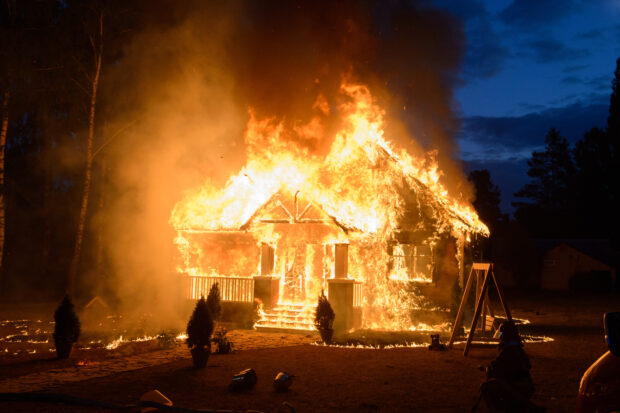
Home cooking fires peak in the U.S. on Thanksgiving Day, according to figures provided by the National Fire Protection Association (NFPA).
An estimated 1,139 home cooking fires were reported to U.S fire departments in 2024 on Thanksgiving Day, a 321 percent increase over the daily average.
Christmas Day and Christmas Eve ranked second and third for cooking fires, with both carrying nearly twice the daily average.
“We consistently see a dramatic spike in home cooking fires on Thanksgiving Day, which comes as no surprise, since cooking is a leading cause of home fires year-round,” said Lorraine Carli, vice president of Outreach and Advocacy at NFPA. “When people are preparing multiple dishes and entertaining guests, along with other distractions, it’s that much easier to lose sight of what’s on the stove or in the oven – and that’s when the likelihood of fire increases.”
Between 2020-2024, 80 percent of all fires reported to U.S. fire departments on Thanksgiving involved cooking equipment. The fires accounted for 35 percent of the associated injuries and no deaths within this five-year period.
Overall, cooking causes roughly half (48 percent) of all reported U.S. home fires and nearly two of every five (35 percent) home fire injuries. It’s also a leading cause of home fire deaths (16%).
Unattended cooking is the leading contributing factor in home cooking fires and fire fatalities.
“Keeping a close eye on what’s cooking and minimizing distractions can greatly reduce the risk of cooking fires,” said Carli. “As simple as these efforts may sound, they can truly help ensure that everyone enjoys a festive, fire-free holiday.”
The NFPA offers tips to avoid a home cooking fire:
- Never leave the kitchen while cooking on the stovetop. Some types of cooking, especially those that involve frying or sautéing with oil, need continuous attention.
- When cooking a turkey, remain at home and check it regularly.
- Make use of timers to keep track of cooking times, particularly for foods that require longer cook times.
- Keep things that can catch fire like oven mitts, wooden utensils, food wrappers, and towels at least three feet away from the cooking area.
- Avoid long sleeves and hanging fabrics that can come in contact with a heat source.
- Always cook with a lid beside your pan. If a small grease fire starts, smother the flames by sliding the lid over the pan, then turn off the burner. Do not remove the cover because the fire could start again. Let the pan cool for a long time.
- For an oven fire, turn off the heat and keep the door closed. Only open the door once you’re confident the fire is completely out, standing to the side as you do. If you have any doubts or concerns, contact the fire department for assistance.
- Keep children and pets at least three feet away from the stove and areas where hot food or drink is prepared or carried.Hot foods and liquids should be placed away from table and counter edges.
In addition, the NFPA discourages the use of turkey fryers that use cooking oil, which can cause devastating burns. For a safer alternative, use an infrared fryer, air fryer, or electric turkey fryer which mimics the taste of an oil-fried turkey.
 California’s Kim Says Insurance Should Fund Wildfire Safety, Not Super Bowl Ads
 Road Deaths Declined to Historic Levels in First Half of 2026
 U.S. Warns of ‘Ongoing Cyber Threat’ to Industrial Refrigeration Systems
 New Florida Property Tax Cut Could Impact Insurance Rates