













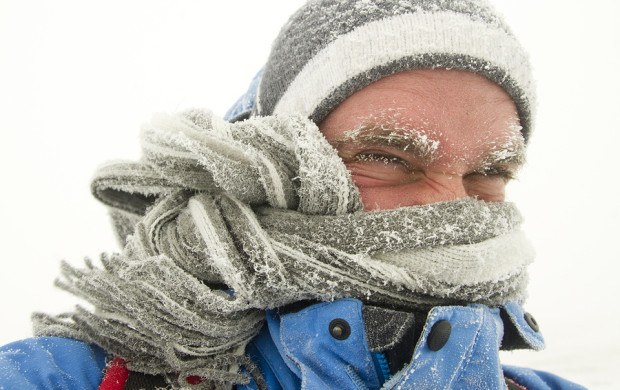
Climate change may melt away smaller snow storms but it won’t be able to hold back more powerful East Coast systems.
Minor storms that drop mere inches of powder will become rare by the end of 21st century, according to a new study published in the Geophysical Research Letters by Colin Zarzycki, a meteorology professor at Pennsylvania State University.
“The big nor’easters are not just going to go away,” Zarzycki said in a statement from the National Center for Atmospheric Research in Boulder, Colorado. “The really crippling storms that have major regional impacts on transportation, on the economy, on infrastructure are not significantly mitigated in a warming climate.”
Using computer models, Zarzycki determined that less powerful storms would dwindle because of a shorter snow season and warmer temperatures, which means more rain will fall. At the same time, the warmer ocean and atmosphere “can turbocharge storms when conditions are lined up,” so the much-larger systems that strike a few times per century won’t be stopped.
The same regions currently menaced by nor’easters will remain unchanged. As the population swells in some of the most densely packed areas of the East Coast, chances are that one or more of the most economically important U.S. cities could be paralyzed, the statement said.
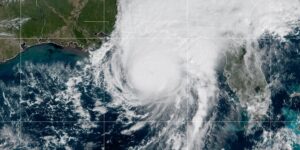
A series of nor’easters roared up the East Coast in 2018, dropping snow by the foot and raising tides to record levels in Boston and along the Massachusetts coast.
 Levers and Guardrails: How Growth Is Being Built at Hippo
  FEMA’s New Flood Maps Mean More Homes Require Flood Insurance: Cotality
  Laws to Protect Workers from AI Risks Signed by California Governor
  California Tops List of Homes Facing Extreme Wildfire Risk, Mitigation Cuts Risk up to 70%