
















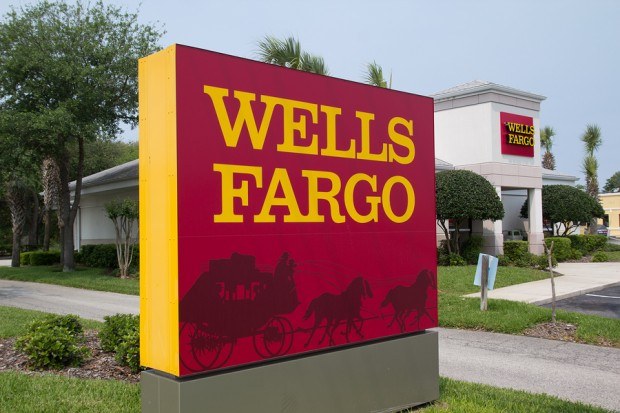
Wells Fargo & Co. will pay $3 billion to settle U.S. investigations into more than a decade of widespread consumer abuses under a deal that lets the scandal-ridden bank avoid criminal charges.
The deferred-prosecution agreement with the Department of Justice spares the company a potential conviction that can create serious complications for banks, if it cooperates with continuing probes and abides by other conditions for three years. The accord also resolves a complaint by the Securities and Exchange Commission.
Investigators found Wells Fargo’s overly aggressive sales targets led thousands of employees to open millions of bogus accounts for customers and foist other products on them from 2002 to 2016, often by creating false records or misappropriating their identities, the Justice Department said Friday. That generated millions of dollars in fees and interest and in some cases damaged customers’ credit ratings.
“Our settlement with Wells Fargo, and the $3 billion criminal monetary penalty imposed on the bank, go far beyond ‘the cost of doing business,'” U.S. Attorney Andrew Murray for the Western District of North Carolina said in a statement. “They are appropriate given the staggering size, scope and duration of Wells Fargo’s illicit conduct.”
The settlement is the bank’s largest yet from a series of scandals that claimed two chief executive officers. But for shareholders it’s in line with the more-than $3 billion the bank set aside for legal matters in the latter half of 2019 as negotiations progressed. It marks another step in efforts by CEO Charlie Scharf, who took over in October, to turn around the San Francisco-based lender as he conducts a review of all operations.
The shares climbed about 1% in extended trading after the accord was announced.
“The conduct at the core of today’s settlements — and the past culture that gave rise to it — are reprehensible and wholly inconsistent with the values on which Wells Fargo was built,” Scharf said in a statement Friday, outlining steps the bank has taken to reform over the past three years.
Still, it’s hardly the end of the legal woes. The firm remains under a growth cap imposed by the Federal Reserve. The Office of the Comptroller of the Currency announced civil charges last month against eight former senior executives, some of whom settled. Probes into allegations at other businesses are continuing.
And on Friday, House Financial Services Committee Chairwoman Maxine Waters announced she plans to have Scharf and Wells Fargo Chair Elizabeth Duke testify during a trio of hearings on the bank next month. Waters called the latest penalty disappointing, saying it “barely dents” the company’s profits from the period and is dwarfed by tax breaks the firm has since received under President Donald Trump’s administration.
“Despite today’s settlement, these hearings and the committee’s investigation will make clear that the problems at Wells Fargo remain unresolved,” the California Democrat said.
Scandals in Wells Fargo’s consumer operations erupted in 2016 with the revelation that employees may have opened millions of fake accounts to meet sales goals. The company’s expenses surged as new details emerged and as additional lapses and wrongdoing surfaced across business lines including mortgages and auto lending.
The company’s stock has suffered ever since, closing on Friday just below the level it was at when the problems emerged more than three years ago.
While the sales abuses have been described repeatedly in earlier probes, Friday’s settlement provides yet more details on the high-pressure environment that led legions of low-level employees to break the law — often costing them their jobs when they were caught by the firm’s internal controls. Many inside the bank referred to abusive sales practices as “gaming,” according to prosecutors.
That often included misappropriating customers’ identities to open checking and savings accounts, issue debit or credit cards, or enroll people in bill-pay or remittance services, prosecutors said. Employees sometimes forged client signatures, created PIN numbers to activate cards and moved money to simulate account funding. Some staff even altered contact information to prevent customers of learning about their unauthorized accounts or receiving satisfaction surveys.
Senior managers were aware of the issues as early as 2002, with one internal investigator describing it as a “growing plague” two years later, and another remarking that it was “spiraling out of control,” investigators found. Yet senior leaders in the community banking division refused to alter their sales model or ratchet down unrealistic targets. They later minimized the problems to higher-ups and the board, blaming them on rogue employees, prosecutors said.
The deal includes a $500 million payment to the SEC, which granted the bank a waiver to continue private placements of securities to accredited investors such as hedge funds. The settlement doesn’t resolve any criminal or civil liability for individuals, according to a senior Justice Department official.
“This resolution is with respect to the bank only,” U.S. Attorney Nick Hanna told journalists in Los Angeles. “The investigation is ongoing.”
The Justice Department said it considered Wells Fargo’s cooperation and prior settlements when deferring prosecution. The bank previously paid more than $1 billion to federal regulators for consumer mistreatment, $575 million to 50 states and the District of Columbia and $480 million for an investor class-action lawsuit.
–With assistance from Edvard Pettersson, Steve Dickson and Josh Friedman.
 Why Your Boss Matters More Than Remote or Hybrid Work When It Comes to Burnout and Job Satisfaction
 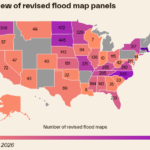 FEMA’s New Flood Maps Mean More Homes Require Flood Insurance: Cotality
  How a Kelvin Wave Is Raising the Sea Level Along the West Coast
  Weather Damage Turning Into Long-term Debt for Homeowners: Report