














Skip to content

Carrier Management

Critical Information for P/C Carrier Executives

Highlights

  • Does Spending More $ on Defense Reduce Indemnity?
  • Growth Going to be Hard: Abel Talks GEICO, Berkshire Tech ...
  • P/C Industry Loss Reserves Redundant by More Than $20B: ...
  • Carrier Management
  • C-Suite
  • News
  • Research
  • Leadership
  • Markets
  • Regulation
  • Top 50
  • Members Only
  • Join
  • Login
  • Boardroom Agenda
  • CEO / Chief Executive
  • CFO / Financial
  • Underwriting
  • CTO / Technology
  • Risk
  • Brand Management & Sales
  • Investment Officers
  • Claims / Legal
  • Talent Management
USAA Not Done With Dividends: Florida Reforms Prompt $0.5B Payout
Suspects Indicted for Impersonating Shipping Carriers in $5M Multi-State Theft Ring
  • U.S.
  • International
  • Industry News
  • Government
  • Technology & Science
Multimillion-Dollar Insurance Fraud Results in 4 Arrests
Drone Crashes, Severed Fingers Pose Problems for $13B Silicon Valley Military Startup

See all News

  • Executive Spotlight
  • Innovation
  • Strategy
  • Leadership
  • Performance
  • Growth Initiatives
  • Social Responsibility
A $10.5 Trillion Cyber Problem: Whose Risk Is It Anyway?
Exclude It, Harness It, Get Greedy: McGavick’s Take on Insurers’ AI Playbook
  • Reinsurance
  • Emerging Markets
  • Global Economy
  • Personal Lines
  • Commercial Lines
  • Specialty
Amazon’s Ring Sued Over Facial Recognition Feature
Bending the Casualty Curve: Why Casualty Analytics Is Approaching Its Inflection Point
  • Insurance Regulation
  • Securities Regulation
  • Accounting & Tax
  • Rating Agencies
Kim and Allen Lead Voting in California Insurance Commissioner Primary
Illinois Passes Legislation to Give Insurance Department Oversight of Rate Changes
Progressive Is Biggest Auto Insurer, Surpassing State Farm: S&P GMI
The Big Dog Is Off the Tech Porch: State Farm as ‘Next Gen Good Neighbor’
Who Will Be California’s Next Insurance Commissioner?
Insurance Data and the Complex Loops Redefining Casualty Risk

See all Top 50

Beyond Consensus: The Leadership Advantage Insurance Execs Need Now
How We’re Doing It: Customers, Agents Play Vital Roles in Commercial Auto Telematics Success
Your Tech Stack Is Your Recruiting Strategy (Whether You Know It or Not)
The Financial Case for Negotiation: How Indemnity Discipline Can Transform Carrier Economics

See all Members Only Content

Benefits

  • News for the P/C Insurance C-Suite - Focused reporting from reliable sources and experienced financial journalists.
  • Research and Analysis Not Found Elsewhere - Exclusive content from researchers think tanks, industry experts and respected analysts.
  • High-Profile Peers - Interviews with thought leaders in the global and U.S. insurance industry.

Online Access

Complete, unrestricted access to the popular CarrierManagement.com website, which provides insurance company C-suite executives with daily news, white papers, advice, instruction and editorial on how to manage insurance companies more efficiently and more effectively.

Wells Fargo Investors Urged to Unload Most Board Members Over Fake Account Scandal

Print Email
April 7, 2017 by Laura J. Keller

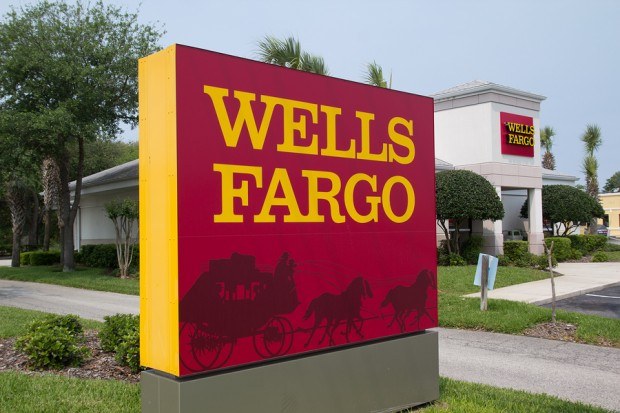
Wells Fargo & Co. shareholders should vote to remove most of the bank’s board members after they failed to provide “timely and sufficient risk oversight” to head off a scandal involving the creation of fake customer accounts, according to proxy adviser Institutional Shareholder Services Inc.

Wells Fargo’s owners should vote for only three of the bank’s 15 directors — Karen Peetz, Ronald Sargent and Chief Executive Officer Tim Sloan — at the lender’s annual meeting later this month, ISS said in a report Friday. Glass Lewis & Co., another proxy adviser, recommended earlier this week that shareholders oppose the re-election of six directors, including members of the board’s corporate responsibility committee.

“The board failed to implement an effective risk-management oversight process in a timely way and that could have mitigated the harm to its customers, its employees and the bank’s brand and reputation,” ISS wrote. “The long-standing sales practices and unchecked incentive program evidences a sustained breakdown of risk oversight on the part of the board.”

Wells Fargo’s board called the ISS report “extreme and unprecedented” and said the directors and company managers are working to restore the trust of customers, employees and investors, according to a statement.

The proxy adviser “fails to recognize the active engagement of the board and the substantial actions it has already taken to strengthen oversight and increase accountability at all levels of Wells Fargo, including important improvements to corporate governance,” the board said in the statement. The board plans to release the findings of an internal investigation into the scandal on Monday, according to a person briefed on the matter, who asked not to be identified because the timing isn’t public.

The Office of the Comptroller of the Currency, one of the regulators that fined the bank over the bogus accounts, stripped its most senior Wells Fargo examiner of his supervisory powers within the past two weeks, Reuters reported on Friday, citing people familiar with the matter.

Bogus Accounts

The OCC and Consumer Financial Protection Bureau announced in September that Wells Fargo employees sought for years to meet aggressive sales targets by opening as many as 2 million unauthorized accounts. The scandal triggered lawsuits, probes and congressional hearings, prompting the lender to shake up leadership, deny bonuses to executives and fire some senior managers in the consumer business. It also forced the resignation of Chairman and CEO John Stumpf, resulting in Sloan’s promotion from chief operating officer.

ISS recommended voting against 12 directors — including newly named Chairman Stephen Sanger — because they served on the risk, human resources and audit committees. Peetz, a former president of Bank of New York Mellon Corp., and former Staples Inc. CEO Sargent, both joined the board in February and are its newest directors.

ISS also recommended investors support a resolution at the April 25 meeting in Florida requiring the bank to adopt policies to help protect indigenous groups after protesters targeted its role in financing the Dakota Access pipeline.

Wells Fargo shares fell 0.9 percent to $54.86 at 4 p.m. in New York. The stock is little changed this year.

Copyright 2026 Bloomberg.
Print Email
Claims / LegalCommercial LinesGlobal EconomyLitigation/Liability TrendsMarketsNewsRiskThe C-SuiteU.S.Underwriting

Was this article valuable?

Thank you! Please tell us what we can do to improve this article.

Thank you! % of people found this article valuable. Please tell us what you liked about it.

Here are more articles you may enjoy.

Multiple Factors Affect Auto, Workers Comp Claim Complexity: Report
AI Savings Misses ‘Should Be Making Executives Uncomfortable,’ Bain Says
Progressive Is Biggest Auto Insurer, Surpassing State Farm: S&P GMI
Automation Theater: Why Carrier AI Investments Aren’t Showing Up in the P&L

Related Articles

Prudential May Seek Cover From Wells Fargo for Account Scandal Costs
Pension Funds Seek SEC Regs Expanding Human Capital Management Disclosures
Wells Fargo Will Settle Lawsuit Over Account Abuses With $110M Payment
Wells Fargo Phony Account Scandal May Be Bigger Than Previously Thought
Wells Fargo Board Blames Ex-CEO, Other Exec for Much of Fake Account Scandal
Wells Fargo Believes Customers Properly Reimbursed in Fake Account Scandal
Wells Fargo Reportedly Mulling Sale of Insurance Brokerage Business

Our Contributors

Wesley TerweyStorm Counts, Landfalls and Losses: The Hidden Risk Behind a ‘Quiet’ Hurricane Season
Michał TrochimczukReinsurance Turning Point: From Operational Constraint to Competitive Advantage
Jesse NickersonBending the Casualty Curve: Why Casualty Analytics Is Approaching Its Inflection Point
John BurgeThe Financial Case for Negotiation: How Indemnity Discipline Can Transform Carrier Economics
Tory FarneyStorm Counts, Landfalls and Losses: The Hidden Risk Behind a ‘Quiet’ Hurricane Season
Jeffery KaczynskiReinsurance Turning Point: From Operational Constraint to Competitive Advantage
See All Our Contributors

Free Newsletter

NewsletterSign up to receive daily news!

Features

  • From ‘FBI Claims Handling’ to AI-Assisted Workflows
  • A $10.5 Trillion Cyber Problem: Whose Risk Is It Anyway?
  • Exclude It, Harness It, Get Greedy: McGavick’s Take on Insurers’ AI Playbook
  • Beyond Consensus: The Leadership Advantage Insurance Execs Need Now
  • Bending the Casualty Curve: Why Casualty Analytics Is Approaching Its Inflection Point
  • RIMS RISKWORLD Q&A: Swiss Re’s Adrian Hall on Risk, Resilience and the Future of Insurance

Research & Whitepapers

  • C-Suite
  • News
  • Leadership
  • Markets
  • Regulation
  • Top 50
  • Members Only
  • Videos

Headlines

  • Does Spending More $ on Defense Reduce Indemnity?
  • Growth Going to be Hard: Abel Talks GEICO, Berkshire Tech ...
  • P/C Industry Loss Reserves Redundant by More Than $20B: ...
  • How Modern is Modern Enough?

Resources

  • Videos / Podcasts
  • Contributors

Popular Topics

  • Boardroom Agenda
  • Technology
  • Financial
  • News

Brand Spotlight

  • Cotality
  • Cytora
  • HazardHub
  • Indico Data
  • Majesco
  • Verisk
  • Vertafore

Connect with us

  • Email Newsletters
  • Twitter
  • Facebook
  • LinkedIn
  • Do Not Sell My Info

Carrier Management

  • Submit Content
  • Advertise
  • Subscribe
  • Contact Us

Wells Media Group Network

  • Carrier Management iconCarrier Management
  • Insurance Journal iconInsurance Journal
  • Claims Journal iconClaims Journal
  • IJ Academy iconInsurance Journal Academy
  • Insurance Journal TV iconInsurance Journal TV
  • MyNewMarkets.com iconMyNewMarkets.com
© 2026 by Wells Media Group, Inc. Privacy Policy | Terms & Conditions | Site Map