
















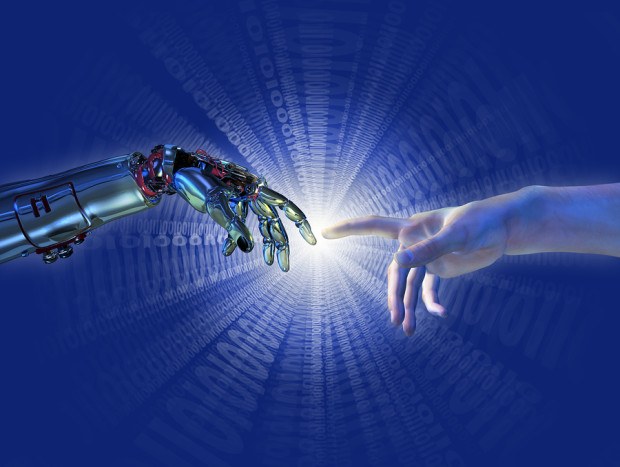
In the next five to 10 years, technology such as artificial intelligence and the Internet of Things will transform how most businesses are staffed, operated and managed. Standardized, repetitive tasks will be automated, leading to a reduction in headcount, warns a recent posting from online publication Training Industry.
Humans will only be needed to perform the work that technology can’t—jobs that involve high-level problem solving, critical thinking, innovation, creativity and emotional engagement, says Professor Ed Hess of the Darden Graduate School of Business at the University of Virginia.
Learning and development professionals can teach those skills and help people learn to be more open-minded and less defensive; manage their thinking and emotions; listen reflectively; and connect, relate and engage with others in ways that build trust and cultivate collaboration and teamwork.
Companies can also work with L&D professionals to establish a culture that promotes higher-level human thinking and emotional skills, Hess says. That culture should be based on three psychological principles: positivity, self-determination theory and psychological safety.
See the full article: “Learning & Development in the Smart Machine Age.”
 Why Your Boss Matters More Than Remote or Hybrid Work When It Comes to Burnout and Job Satisfaction
  Nearly 50,000 Cars Damaged by Floods This Year: CARFAX
  Friend of Suspected FBI Data Thief Warned Teen Not to Hack Bureau
  Most Americans Think AI Is Developing Too Fast: Poll