
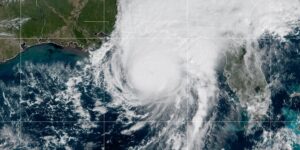












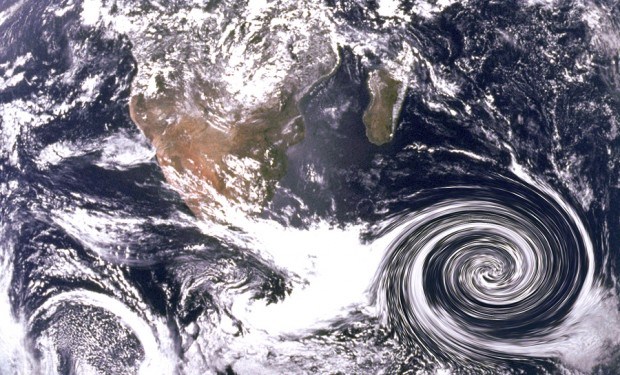
Early forecasts for the 2014 hurricane season indicate that moderate El Nino conditions are likely to persist throughout the year, which could inhibit tropical storm formation in the North Atlantic basin. This could also decrease the probability of a major loss-inducing storm impacting the property/casualty insurance industry, according to Fitch Ratings in its annual hurricane report.
Fitch estimates that given the current substantial level of industry capitalization, it would likely take a record individual storm loss or a series of significant losses equal to 15 percent or more of industry aggregate surplus for consideration of a P/C sector outlook movement to negative tied to catastrophe experience.
“From the perspective of the insurance industry, the intensity and location of storms making landfall are the most critical variables,” said Christopher Grimes, Fitch Ratings director. “While fewer and less severe storms bode well for the industry, the property/casualty segment remains positioned to withstand the impact of future significant events.”
According to Fitch, the capital markets remain a strong and growing presence in the market for underwriting and offering protection from catastrophe risks. The continued low interest rate environment, along with the desire of insurance and reinsurance companies to utilize alternatives to the traditional insurance risk transfer market, has generated significant growth in new capital from third-party investors. The process of insuring higher catastrophe-exposed areas, including Florida, continues to evolve as insurers of high-risk property expand their use of insurance linked securities, Fitch said.
The report compares forecasts for the 2014 hurricane season from the National Oceanic and Atmospheric Administration, Colorado State University, Tropical Storm Research and others. The report is titled “Hurricane Season 2014: A Desk Reference for Insurance Investors.”
 Viewpoint: Insurers Are Automating the Front Office While Ignoring the Function That Determines Trust
  AI Data Center Boom: Understanding How Risks Are Changing
 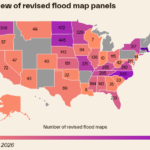 FEMA’s New Flood Maps Mean More Homes Require Flood Insurance: Cotality
  US States Allege Corteva Spinoff a Bid to Evade PFAS Liabilities